

Helping your child with ADHD manage anxiety can feel overwhelming, especially when conventional techniques just don’t seem to work. Finding ways to create emotional safety and comfort is a daily challenge for many families. The Royal College of Psychiatrists highlights that comforting routines, such as cuddling with a soft plush, can genuinely help children feel safer and more secure during stressful moments.
The right approach can make a real difference. Practical strategies using plush toys offer more than just distraction—they provide calming sensory input and foster emotional regulation. You’ll find actionable methods designed to reduce stress and make anxiety management engaging for your child.
Get ready to discover specific, science-backed ideas that help transform plush companions into tools for emotional support and self-regulation. Each step offers a fresh technique you can try today to improve your child’s wellbeing.
Table of Contents
- Encourage Comfort with Daily Plush Cuddles
- Create Calming Plush-Based Breathing Exercises
- Use Plush Characters in Guided Storytelling
- Employ Plush for Sensory Grounding Activities
- Start a Plush Reward System for Positive Behaviours
- Link Plush Play to Mindfulness and Relaxation Routines
- Enhance Digital Connection with Interactive Plush Features
Quick Summary
| Takeaway | Explanation |
|---|---|
| 1. Establish Daily Cuddle Routines | Consistent plush cuddles provide emotional security, aiding in anxiety management for children with ADHD. |
| 2. Integrate Breathing Exercises with Plush | Pairing plush toys with breathing activities enhances engagement and reduces anxiety during relaxation practices. |
| 3. Use Plush Characters for Storytelling | Guided storytelling with plush toys helps children explore emotions, enhancing their understanding and coping mechanisms. |
| 4. Implement Plush-Based Grounding Activities | Sensory grounding with plush toys helps redirect overwhelming feelings, promoting emotional regulation and comfort. |
| 5. Develop a Plush Reward System | A reward system using plush toys motivates positive behaviours in children with ADHD, fostering emotional development and task engagement. |
1. Encourage Comfort with Daily Plush Cuddles
Daily plush cuddles can transform anxiety management for children with ADHD by providing a consistent source of emotional comfort. These soft companions offer more than just a cuddly embrace they become powerful tools for emotional regulation and stress relief.
The Royal College of Psychiatrists emphasises that comforting routines with plush toys help children establish a sense of safety and emotional security. Physical contact with a soft toy triggers several important neurological responses:
- Releases oxytocin (the “bonding hormone”)
- Reduces cortisol levels (stress hormone)
- Provides predictable sensory input
- Creates a sense of immediate emotional safety
Children with ADHD often struggle with unpredictable emotional landscapes and benefit immensely from consistent comfort sources.
To implement daily plush cuddle routines effectively parents can:
- Select a specific comfort plush that becomes a consistent companion
- Establish regular cuddling times (morning, before school, bedtime)
- Allow the child to choose their comfort plush
- Create gentle rituals around cuddling
The consistent tactile connection helps children develop emotional regulation skills. By normalising comfort-seeking behaviours children learn healthy emotional management strategies.
Pro tip: Choose a plush toy that can be easily washed and is durable enough to withstand daily loving from your child.
2. Create Calming Plush-Based Breathing Exercises
Breathing exercises paired with plush toys offer a powerful strategy for managing anxiety in children with ADHD. By transforming a potentially challenging sensory regulation activity into a playful interaction children become more engaged and receptive to emotional regulation techniques.
Research demonstrates that sensory-based coping strategies can significantly improve children’s ability to manage anxiety through multisensory approaches. The plush toy becomes a comforting anchor during breathing practice.
Key benefits of plush-based breathing exercises include:
- Provides tangible focus point during breathing
- Reduces performance anxiety around meditation
- Offers predictable sensory stimulation
- Makes breathing practice feel like a game
Tactile interaction with a soft object can transform anxiety management from a challenging task to an enjoyable experience.
Practical breathing exercise steps:
- Choose a soft plush toy that the child connects with
- Place plush on child’s belly during breathing
- Encourage slow breaths that make plush rise and fall
- Count breaths together using plush as visual guide
- Praise child’s engagement and effort
Pro tip: Select a lightweight plush that won’t feel overwhelming and can be easily manipulated by small hands.
3. Use Plush Characters in Guided Storytelling
Guided storytelling with plush characters offers a powerful therapeutic approach for children with ADHD to explore emotions and develop coping strategies. By transforming abstract feelings into tangible narrative experiences children can better understand and manage their emotional landscapes.
Research shows that storytelling techniques improve emotional understanding by making complex emotional scenarios more accessible and engaging for neurodivergent children.
Benefits of plush character storytelling include:
- Creates safe emotional exploration space
- Reduces anxiety through narrative distance
- Helps children practise adaptive responses
- Increases emotional comprehension
- Provides non-threatening communication method
Plush characters become powerful emotional translators helping children articulate feelings they struggle to express directly.
Storytelling implementation steps:
- Select a plush character the child feels connected to
- Create simple scenarios representing typical anxiety triggers
- Allow child to direct plush character’s responses
- Discuss character’s emotional journey and coping mechanisms
- Encourage child to suggest alternative responses
Pro tip: Choose plush characters with neutral expressions that can easily reflect different emotions during storytelling sessions.
4. Employ Plush for Sensory Grounding Activities
Sensory grounding activities with plush toys offer a transformative approach for children with ADHD to manage anxiety and enhance emotional regulation. These tactile experiences provide a gentle yet powerful mechanism for redirecting overwhelming sensory input.
Research highlights that sensory interventions support ADHD coping strategies by offering children predictable and comforting sensory experiences.
Benefits of sensory grounding with plush include:
- Interrupts anxious thought patterns
- Provides predictable sensory feedback
- Enhances proprioceptive awareness
- Supports emotional self-regulation
- Creates a sense of immediate comfort
The soft texture of a plush toy can act as a gentle anchor during moments of sensory overwhelm.
Sensory grounding activity steps:
- Select a plush with varied textures
- Demonstrate gentle squeezing techniques
- Encourage slow deep breaths while holding plush
- Practice mindful touching of different plush areas
- Use plush as a portable calming tool
Pro tip: Choose plushies with different fabric textures to provide diverse sensory experiences for children.
5. Start a Plush Reward System for Positive Behaviours
Creating a reward system with plush toys offers an innovative approach to motivating children with ADHD and managing challenging behaviours. By connecting positive actions with comforting plush rewards, parents can encourage emotional regulation and build constructive habits.
Research indicates positive reinforcement strategies support ADHD management by providing tangible motivation for desired behaviours.
Key advantages of plush reward systems include:
- Provides immediate emotional validation
- Creates predictable behaviour expectations
- Reduces anxiety around task completion
- Builds intrinsic motivation
- Offers comforting sensory experience
A well-designed reward system transforms challenging tasks into achievable goals.
Implementation steps for plush reward strategy:
- Define clear behavioural expectations
- Select meaningful plush rewards
- Create visible reward tracking chart
- Establish consistent reward criteria
- Celebrate incremental achievements
Pro tip: Choose plush rewards that match your child’s specific interests to maximise engagement and motivation.
6. Link Plush Play to Mindfulness and Relaxation Routines
Mindfulness practices become more engaging and accessible for children with ADHD when integrated with playful plush interactions. By transforming meditation from a potentially intimidating experience into a comforting sensory journey, children can develop emotional regulation skills more naturally.
Research demonstrates that multisensory mindfulness techniques support ADHD management by providing a gentle, interactive approach to relaxation.
Benefits of plush-based mindfulness include:
- Creates non-threatening relaxation environment
- Reduces performance anxiety around meditation
- Provides tactile sensory anchor
- Increases engagement with relaxation techniques
- Supports emotional self-awareness
Plush toys transform mindfulness from a challenging task into a comforting exploration of inner calm.
Mindfulness routine implementation steps:
- Select a meaningful comfort plush
- Create consistent relaxation time
- Use plush as breathing and focus companion
- Practice gentle, slow movements with plush
- Validate child’s relaxation efforts
Pro tip: Choose a plush with soft, soothing textures that can serve as a consistent mindfulness companion.
7. Enhance Digital Connection with Interactive Plush Features
Interactive plush technologies represent a cutting-edge approach to supporting children with ADHD by bridging comfort and digital engagement. These smart companions transform traditional soft toys into dynamic tools for emotional regulation and anxiety management.
Scientific research reveals digital plush technologies support ADHD management through personalised, adaptive interactions that can be monitored remotely.
Advantages of interactive plush features include:
- Provides real-time emotional tracking
- Offers personalised comfort responses
- Enables remote parental monitoring
- Supports consistent emotional regulation
- Creates engaging digital learning experiences
Interactive plush toys convert technological interaction into a therapeutic experience.
Implementation strategies:
- Select plush with age-appropriate digital features
- Establish clear usage boundaries
- Integrate digital interactions gradually
- Encourage child-led exploration
- Monitor digital engagement time
Pro tip: Choose interactive plush with intuitive interfaces that feel more like play than intervention.
Below is a comprehensive table summarising the strategies and approaches for supporting children with ADHD using plush toys as discussed in the article.
| Activity | Implementation Steps | Benefits |
|---|---|---|
| Daily Plush Cuddles | Select a comfort plush, establish consistent cuddle times. | Facilitates emotional regulation, reduces anxiety. |
| Plush-Based Breathing Exercises | Use a plush on the child’s belly during breathing practise. | Enhances engagement, provides a calming focus. |
| Plush Characters Storytelling | Use plush toys to depict anxiety situations and coping methods. | Encourages emotional expression and understanding. |
| Sensory Grounding Activities | Introduce tactile interactions and textures using a plush toy. | Improves sensory regulation, calms sensory input. |
| Plush Reward Systems | Associate positive behaviours with receiving plush rewards. | Builds constructive habits, provides motivation. |
| Mindfulness With Plush Toys | Incorporate plush into relaxation exercises as a focus tool. | Increases emotional awareness, supports calmness. |
| Interactive Plush Technologies | Engage with digital plush toys for personalised interactions. | Supports emotional tracking and regulation. |
Discover Comfort and Calm with MOMORO & FRIENDS Plush Toys
Children with ADHD often face challenges such as anxiety, emotional unpredictability, and sensory overwhelm. This article highlights key strategies like daily plush cuddles, sensory grounding, and mindful storytelling to help children manage anxiety and build emotional regulation skills. At MOMORO, we understand these needs and have created a unique solution that combines the comforting touch of a plush toy with interactive technology to support emotional well-being.
Shop Japanese-Inspired Plush Toys for ADHD & Anxiety – MOMORO & Friends
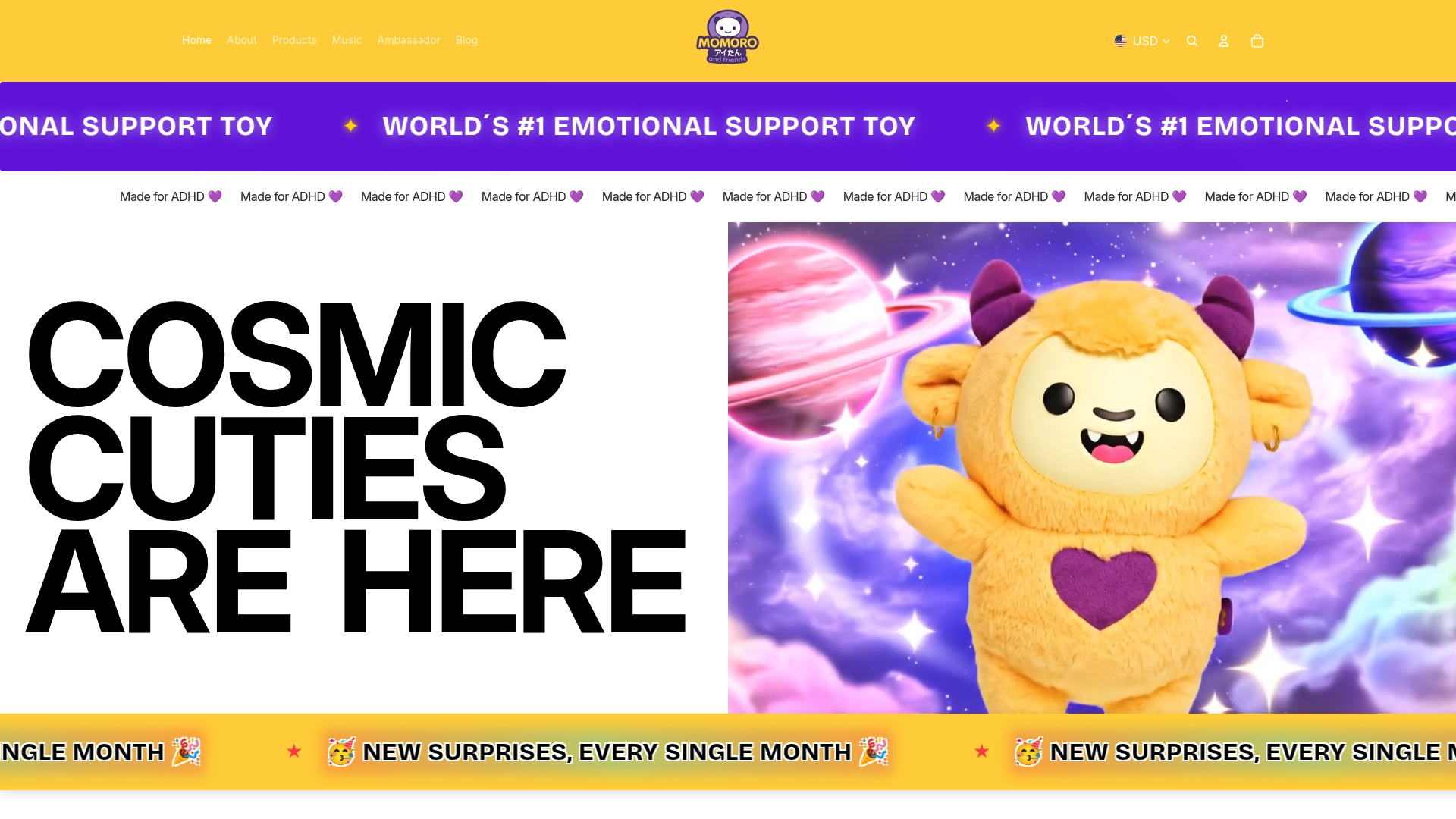
Bring the benefits of predictable comfort and innovative engagement into your child’s daily routine with MOMORO & FRIENDS. Each NFC-enabled plush unlocks monthly digital gifts designed to reduce stress and encourage calmness. Don’t wait to provide your child with a companion that promotes emotional balance through play and tech. Explore the collection now at MOMORO and start transforming anxiety into moments of calm today.
Frequently Asked Questions
How can plush toys help manage anxiety in children with ADHD?
Plush toys can provide emotional comfort and security to children with ADHD, helping to regulate their emotions. Implement a routine where your child cuddles with a specific plush toy daily to reinforce feelings of safety and reduce anxiety.
What are some effective breathing exercises to do with a plush toy?
Using a plush toy during breathing exercises can make the practice more engaging and reduce anxiety. Encourage your child to place the plush on their belly and focus on making it rise and fall as they take slow, deep breaths together.
How can I use plush characters in storytelling to help my child with anxiety?
Plush characters can be utilised in storytelling to help children understand and express their emotions. Create simple scenarios with the plush character that represent anxiety triggers, allowing your child to direct the character’s responses and discuss coping strategies.
What sensory grounding activities can I do with plush toys?
Sensory grounding activities using plush toys can help redirect overwhelming sensory input for children with ADHD. Choose a plush with varied textures and demonstrate gentle squeezing techniques while encouraging your child to focus on its different parts during moments of stress.
How can I create a plush reward system for positive behaviours?
A plush reward system can motivate your child by connecting positive actions with plush toy rewards. Define specific behavioural expectations and create a visible tracking chart to celebrate achievements alongside meaningful plush rewards, reinforcing positive behaviour consistently.
Recommended
- Plush Toys for Anxiety – Calming Young Minds in the UK – MOMORO & Friends
- Why Plush Toys Are Comforting for ADHD Children – MOMORO & Friends
- Educational Value of Plush Toys for ADHD Support – MOMORO & Friends
- Plush Therapy: Calming ADHD and Anxiety in Kids – MOMORO & Friends
- Turnable Anxiety Rings With Bead Relieve Stress – 16th Avenue