

Selecting toys that truly support children with ADHD or anxiety can feel overwhelming. With so many options on the shelves, finding something that provides both comfort and excitement is not always straightforward. You want collectibles that do more than just entertain, but also help your child feel calmer, more secure, and genuinely engaged.
The good news is that certain blind box collectibles are carefully designed to meet these needs. By combining tactile sensations, soothing textures, and imaginative features, these toys can offer surprising comfort when your child needs it most. You’ll discover how specific blind box and collectible toys use sensory input, interactive digital features, and even monthly perks to create meaningful routines and emotional support.
Keep reading to find out which toy concepts deliver real moments of relief, anticipation, and mindful play for your child—so you can confidently choose the right fit for their unique needs.
Table of Contents
- 1. Classic Plush Blind Boxes For Comfort And Surprise
- 2. NFC-Enabled Collectibles With Monthly Digital Perks
- 3. Sensory Blind Box Toys That Soothe Stress
- 4. Customisable And DIY Blind Box Figures
- 5. Character-Based Blind Boxes For Emotional Support
- 6. Interactive Blind Boxes That Encourage Mindful Play
- 7. Limited Edition Collectibles To Foster Excitement
Quick Summary
| Takeaway | Explanation |
|---|---|
| 1. Classic plush toys provide comfort. | The plush textures help soothe anxiety by engaging the senses and providing tangible comfort during stressful moments. |
| 2. Monthly digital perks create anticipation. | NFC-enabled collectibles provide sensory grounding now and something exciting to look forward to each month, helping manage anxiety. |
| 3. Sensory elements promote calm and focus. | Toys designed with various sensory inputs help children regulate emotions and provide grounding, especially for those with ADHD. |
| 4. DIY figures encourage creativity and ownership. | Customisable toys engage children in creative projects, boosting confidence and allowing self-expression while calming anxious thoughts. |
| 5. Limited editions foster genuine excitement. | The scarcity of limited edition collectibles creates anticipation and emotional investment, channeling excitement into a healthy hobby for children. |
1. Classic Plush Blind Boxes for Comfort and Surprise
Classic plush blind boxes combine two powerful elements for children with ADHD and anxiety: the softness of comfort and the thrill of surprise. You open a sealed box without knowing what you’ll find inside, and that unpredictability creates genuine excitement. The plush itself becomes something tangible to hold, squeeze, and calm yourself with when stress hits.
The tactile comfort of these toys matters more than you might realise. When your child is anxious or overwhelmed, having a soft, squishy texture to hold provides grounding. Research shows that sensory comfort tools including plush textures help soothe anxiety by engaging the senses during stressful moments. The gentle pressure from squeezing or hugging a plush toy releases tension your child might not even know they’re holding.
What makes blind boxes special is the element of surprise. Your child doesn’t know which character they’re getting, which means each unboxing feels like a small celebration. This unpredictability taps into natural curiosity and creates a dopamine hit that lifts mood. For children with ADHD, that moment of discovery can be an anchor point in their day, something to look forward to and feel genuinely excited about.
Pop culture collectibles like Popmart and Smiski have proven this concept works brilliantly. Kids love the hunt, the surprise, and collecting different variants. The physical act of opening the box, feeling the weight of the plush inside, and revealing the character creates a multi-sensory experience that calms whilst entertaining. Brands like Miniso have expanded this market because families understand the value.
Unlike digital entertainment, plush blind boxes give your child something real to hold. No screens, no overstimulation. Just tactile comfort combined with genuine anticipation. This combination makes classic plush blind boxes one of the most effective tools for children who need sensory grounding mixed with emotional reward.
Pro tip Rotate your child’s blind box collection by storing some away and bringing them out during particularly stressful weeks, which renews excitement and gives them something fresh to engage with when anxiety spikes.
2. NFC-Enabled Collectibles with Monthly Digital Perks
NFC-enabled collectibles blend the physical comfort of a plush toy with digital rewards that unlock every month. NFC stands for Near Field Communication, a technology that lets your child tap their toy against a smartphone to access exclusive content. It’s like having a secret key hidden inside their favourite collectible.
Here’s what makes this special for children with ADHD and anxiety. Your child gets the immediate sensory reward of holding a plush toy, plus the delayed gratification of monthly digital surprises. The physical toy provides grounding right now. The monthly unlock creates something to anticipate, which helps manage anxiety by giving structure and hope to their month. Contactless technologies using NFC are already trusted across the UK, making this integration secure and accessible.
Each month, when your child taps their toy, they might unlock digital gifts like exclusive artwork, calming sound recordings, or interactive games designed to soothe. These aren’t random rewards. They’re crafted to support emotional wellbeing. Over 12 months, they receive a complete journey of digital content that complements the physical comfort the plush provides.
The beauty of monthly perks is that they create routine and anticipation. Children with ADHD thrive on structure. Knowing that on the first of each month something new unlocks gives them a reason to engage with their collectible repeatedly. It transforms a one-time purchase into an ongoing experience that grows over time.
Unlike one-off toys you buy and forget about, NFC-enabled collectibles stay relevant. Your child returns to their toy month after month because there’s always something new waiting. This sustained engagement supports emotional stability and gives you a simple tool that helps manage stress during difficult weeks.
Pro tip Set a calendar reminder for the first of each month so your child knows when to tap their toy and unlock the new digital gift, turning it into a small ritual that becomes something they genuinely look forward to.
3. Sensory Blind Box Toys That Soothe Stress
Sensory blind box toys go beyond basic plushies by intentionally engaging multiple senses at once. These toys incorporate different textures, sounds, scents, or visual elements designed to calm your child’s nervous system when stress hits. You’re not just getting a toy. You’re getting a tool that helps regulate emotions through sensory input.
When your child is anxious or overwhelmed, their nervous system needs grounding. Touch is powerful. A toy with a crinkly section, a smooth satin panel, bumpy beads, or a weighted centre engages the tactile sense and pulls attention into the present moment. Sensory tools that engage touch and other senses help soothe anxiety by providing calming experiences when stress levels rise.
The blind box element adds another layer. Your child doesn’t know which sensory combination they’re getting. One box might have a crinkly texture. Another might have a squeaky sound. A third could have a soft satin interior. This variety keeps engagement high because each unboxing offers something genuinely different to explore and enjoy.
Sensory processing matters especially for children with ADHD. Their brains process stimulation differently, and targeted sensory input helps them regulate. Instead of seeking chaotic stimulation, they get calm, purposeful sensory experiences. The toy becomes a self-soothing tool they can reach for during homework, before bed, or when anxiety creeps in.
What makes these toys work is intentionality. These aren’t random textures thrown together. Each sensory element serves a purpose. A soft fleece might calm. Crinkles provide gentle auditory input. Weighted sections offer grounding pressure. Together, they create a multi-layered soothing experience that addresses different sensory needs simultaneously.
Pro tip Let your child explore and describe the sensory elements they feel in each toy, which builds awareness of what textures and sounds actually calm them, helping you choose future collectibles that match their specific sensory preferences.
4. Customisable and DIY Blind Box Figures
Customisable and DIY blind box figures flip the script entirely. Instead of opening a box to find a finished character, you get components and build your own. Your child becomes the creator, not just the collector. This hands-on approach transforms a simple collectible into a meaningful creative project that calms through engagement and self-expression.
For children with ADHD and anxiety, creativity is medicine. When your child builds their own figure, they’re not just assembling pieces. They’re making choices about colours, textures, and design. They’re problem-solving. They’re invested in the outcome because they made it themselves. This sense of ownership and accomplishment boosts confidence and provides genuine emotional reward that passive collecting cannot match.
The blind box element works brilliantly here too. You don’t know which components you’ll receive, so each building session feels fresh. One box might have soft felt pieces and embroidered details. Another might include tiny buttons, ribbons, or unusual shapes to incorporate. Your child adapts and creates something unique based on what they discover, which encourages flexible thinking and creative problem-solving.
Soft toy design and creative making provides therapeutic value, offering a calming creative environment where participants can personalise their collectibles. The act of making something with your hands grounds you in the present moment. It quiets anxious thoughts because your child’s attention is focused on the task, not on worry.
DIY figures also create conversation. When your child has built something themselves, they want to talk about it, share it, and show you the choices they made. This builds connection and gives you insight into their creative preferences. Over time, you’ll notice patterns in their choices that reveal what colours or textures genuinely soothe them.
Pro tip Start with the simplest DIY blind box to build confidence, then gradually offer more complex projects as your child becomes comfortable with the assembly process, ensuring they stay engaged without becoming frustrated.
5. Character-Based Blind Boxes for Emotional Support
Character-based blind boxes introduce personality and emotional connection into collectibles. Instead of abstract shapes or generic designs, your child receives characters with names, personalities, and stories. These aren’t random figures. They’re companions that provide genuine emotional reassurance when anxiety strikes or confidence wavers.
Emotional attachment to characters is powerful for children. When your child connects with a character, that connection becomes real to them. They might cuddle it when stressed, talk to it, or keep it nearby during difficult moments. The character becomes a tangible representation of comfort and support. This isn’t childish. It’s a legitimate emotional regulation tool that helps your child process feelings and manage stress.
The blind box surprise amplifies this. Your child doesn’t know which character they’ll receive, so there’s genuine excitement. Will they get the brave one? The cheerful one? The quiet, thoughtful one? Each character has different qualities, and your child gravitates towards the personalities that match their emotional needs. Over time, they build a collection of characters that feel like friends.
Character-based emotional support mechanisms foster meaningful connection and wellbeing through familiar characters that provide reassurance and engagement. When your child develops a relationship with a character, they’re developing emotional literacy. They’re learning to identify feelings, express needs, and seek comfort in healthy ways.
Many successful blind box brands understand this deeply. Popmart, Sonny Angel, and Mighty Jaxx all create characters designed to resonate emotionally. Kids collect them because they feel understood by these little companions. The characters become a language for expressing what’s hard to say in words.
What makes character-based blind boxes special for children with ADHD and anxiety is consistency. Characters stay the same, which provides stability. In an unpredictable mind, having a reliable friend helps. Your child knows their character will always be there, always supportive, always the same.
Pro tip Create a small display area where your child can arrange their character collection, allowing them to interact with these emotional companions throughout the day and building a visible reminder of their growing sense of comfort and connection.
6. Interactive Blind Boxes That Encourage Mindful Play
Interactive blind boxes take play beyond passive collection. These toys include games, puzzles, or tactile challenges built right into the unboxing experience. Your child doesn’t just receive a toy. They receive an activity designed to slow them down, focus their attention, and anchor them in the present moment. This is mindful play in its most practical form.
Mindfulness might sound abstract, but for children with ADHD and anxiety, it’s concrete relief. When your child’s mind races with worry, an interactive blind box gives their hands and brain something specific to do. They’re solving a puzzle, tracing a path, matching textures, or building something. Their attention narrows from the chaotic spiral of anxiety to one single, manageable task. The anxiety doesn’t disappear, but it loses power because your child is genuinely engaged elsewhere.
Tactile and interactive play elements foster present-moment awareness and relaxation through sensory exploration. Interactive blind boxes translate this principle into something your child actually wants to do. They’re not being forced to meditate or sit still. They’re playing with something fun that naturally teaches them how to focus and calm themselves.
The blind box element adds anticipation and curiosity, which keeps engagement high. Your child doesn’t know what interactive challenge they’ll face inside. Will it be a texture matching game? A problem solving puzzle? A sensory maze? Each unboxing is genuinely unpredictable, which means they stay interested and come back repeatedly.
What makes this brilliant for ADHD brains is structure within freedom. Interactive blind boxes give your child clear boundaries (this is the game, these are the rules), but within those boundaries, they can explore at their own pace. There’s no pressure to finish fast. There’s just time and permission to engage deeply with something designed for their wellbeing.
Pro tip Keep interactive blind boxes accessible during high-stress moments, like before homework or at bedtime, so your child has an immediate tool to reach for when they need to shift their nervous system into calmer territory.
7. Limited Edition Collectibles to Foster Excitement
Limited edition blind boxes create something powerful that standard collectibles cannot. When production is restricted to just a few thousand units, scarcity becomes real. Your child knows that once this drop sells out, these characters are gone. That’s not manufactured hype. That’s genuine rarity, and it transforms how your child feels about their collection.
Excitement is medicine for anxiety. When your child has something to genuinely look forward to, their nervous system shifts. Instead of dwelling on worry, they’re anticipating the next drop. They’re thinking about which character they hope to find. They’re checking dates, imagining possibilities, feeling genuine hope. This forward-focused mindset counterbalances the rumination that feeds anxiety.
Limited edition collectibles create exclusivity and anticipation that enhances desirability and excitement amongst collectors. The psychology here is straightforward. Scarcity creates meaning. When something is rare, it matters more. Your child’s limited edition character becomes a prize, not just another toy. They take better care of it. They value it differently. They feel proud to own something special.
The blind box format amplifies this. You don’t know if you’ll get a rare variant or a standard issue. Some figures might be numbered variants. Some might be chase figures with special colours or designs. This uncertainty, combined with knowing production is limited, creates genuine suspense during unboxing. Your child’s heart actually races because something genuinely uncommon might be inside.
For children with ADHD, this structured excitement is grounding. Their brains crave novelty and stimulation. Limited editions provide that in a healthy way. Instead of seeking chaos or dangerous thrills, they’re channeling that need for excitement into collecting something that supports their wellbeing and gives them community with other collectors who share their passion.
Brands like Popmart and Mighty Jaxx understand this deeply. They release limited quantities strategically. Each drop feels like an event. Your child isn’t just buying a toy. They’re participating in something with real scarcity and real stakes.
Pro tip Mark limited edition drop dates on a family calendar and create a simple countdown ritual with your child, which builds anticipation and gives them something specific to look forward to throughout their week.
Below is a detailed table summarising different varieties of blind box collectibles and their benefits emphasised within the provided article.
| Type of Collectible | Description | Highlighted Benefits |
|---|---|---|
| Classic Plush Blind Boxes | Soft toys featuring surprise characters within sealed boxes. | They combine sensory soothing elements with the thrill of unboxing, offering comfort and excitement. |
| NFC-Enabled Collectibles | Plush toys integrated with NFC technology to unlock digital content. | They provide immediate physical comfort paired with monthly digital rewards, fostering anticipation and structure. |
| Sensory Blind Box Toys | Variants incorporating multiple sensory features intentionally designed for stress relief. | These provide tailored sensory stimulation, aiding emotional regulation and engagement. |
| Customisable DIY Figures | Blind boxes containing components for children to design their own figure. | Support for creativity and problem-solving, granting a sense of ownership and emotional reward. |
| Character-Based Collectibles | Figures featuring named, personality-driven characters. | Build connections and provide emotional reassurance useful for stress management. |
| Interactive Blind Boxes | Toys combining games and puzzles with the unboxing experience. | Encourages mindfulness through focused activities, aiding stress relief. |
| Limited Edition Collectibles | Exclusive collectibles produced in restricted quantities. | Promote excitement and intentional collection, building emotional anticipation. |
Discover Calming Collectible Fun with MOMORO & FRIENDS
The article highlights how blind box toys provide essential sensory grounding and emotional support for children with ADHD and anxiety. If you are searching for a solution that blends tactile comfort with engaging technology and emotional connection MOMORO & FRIENDS offer exactly that. These NFC-enabled blind box plush toys deliver not only the joy of surprise but also monthly digital gifts designed to ease stress and lift moods. They meet key needs like sensory comfort, structured anticipation, and creative engagement all wrapped into one unique collectible experience.
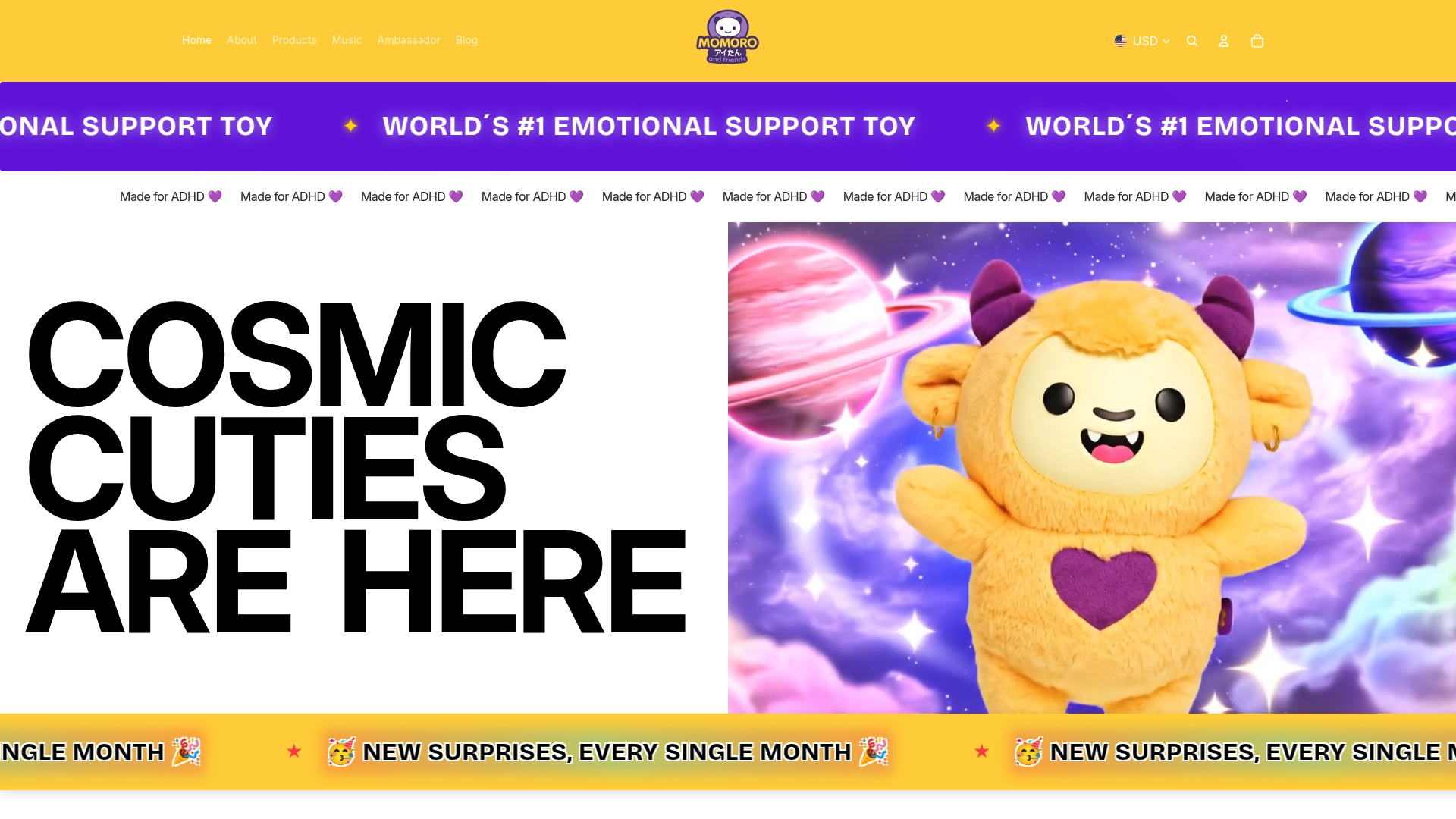
Explore our Japanese-Inspired Plush Toys for ADHD & Anxiety – MOMORO & Friends to find limited edition figures that combine softness with smart digital perks. With only 5 000 units per drop, each collectible is a rare treasure that builds excitement and emotional reassurance. Don’t wait to transform your child’s moments of anxiety into calm celebrations. Visit MOMORO & FRIENDS now to bring home interactive collectibles that truly make a difference.
Frequently Asked Questions
What are classic plush blind boxes and how can they help with anxiety?
Classic plush blind boxes are sealed packages containing soft, squishy toys that offer both comfort and surprise. To help reduce anxiety, encourage your child to hold and squeeze the plush when feeling overwhelmed, as it provides grounding sensory input that can calm their nerves.
How do NFC-enabled collectibles work and what benefits do they provide?
NFC-enabled collectibles allow your child to tap their plush toy against a smartphone to unlock monthly digital rewards. Engage your child by setting reminders for the first of each month, so they can look forward to exploring the new content together, enhancing their emotional wellbeing.
What are sensory blind box toys and how do they soothe stress?
Sensory blind box toys feature a variety of textures, sounds, and scents that can calm your child’s nervous system. Introduce these toys during times of heightened stress, as they provide focused engagement and support emotional regulation through sensory exploration.
How do customisable and DIY blind box figures benefit children?
Customisable and DIY blind box figures allow children to create their own characters, promoting creativity and problem-solving skills. Start with simple DIY projects to build confidence and gradually introduce more complex tasks to keep them engaged without causing frustration.
Why are character-based blind boxes important for emotional support?
Character-based blind boxes feature figures with unique names and personalities that your child can emotionally connect with. Encourage your child to display and interact with their character collection, fostering a sense of companionship and support during challenging times.
How can interactive blind boxes encourage mindful play?
Interactive blind boxes contain games and puzzles designed to engage your child’s attention and promote relaxation. Keep these boxes accessible during stressful moments to provide immediate activities that can help shift their focus and calm their minds.
Recommended
- 7 Advantages of Blind Box Plush for Calming Children – MOMORO & Friends
- Benefits of Blind Box Plush Toys for Calming ADHD – MOMORO & Friends
- 7 Must-Have Plush Blind Box Collectibles for 2026 – MOMORO & Friends
- Purpose of Collectible Toys: Impact on ADHD and Anxiety – MOMORO & Friends
- 7 Must-Have Nostalgic Tees Every Pop Culture Fan Needs – ChillStitchApparel