

Every parent of a child with ADHD knows how challenging it can be to find toys that genuinely offer comfort and help manage anxiety. In the UK, families are increasingly turning to innovative plush toys that blend traditional softness with embedded technology. These tech-enhanced plush companions go beyond cuddly comfort by providing interactive features, sensory feedback, and real emotional support. Discover how the latest advancements are creating engaging ways to soothe anxiety, support self-regulation, and provide ongoing encouragement for children who need it most.
Table of Contents
- Defining Tech-Enhanced Plush Toys
- Types of Interactive Plushes Available
- How NFC and Digital Features Function
- Emotional Support Benefits for Children
- Privacy and Safety Issues for Families
- Choosing Effective Plush Toys in the UK
Key Takeaways
| Point | Details |
|---|---|
| Tech-Enhanced Plush Toys Offer Unique Interaction | Combining traditional comfort with digital engagement, these toys provide sensory satisfaction and responsive feedback to enhance emotional support for children, particularly those with ADHD. |
| Types of Plush Toys Address Different Needs | Options include weighted, textured, app-connected, and NFC-enabled toys, each serving specific sensory and emotional requirements which help determine the best fit for your child. |
| NFC Technology Simplifies Engagement | The seamless interaction through NFC allows children to experience immediate rewards without complicated setups, making the toys more engaging and useful for emotional regulation. |
| Prioritise Privacy and Safety | Understanding data collection and security practices is essential when selecting tech-enhanced plush toys, ensuring a safe and enjoyable experience for children. |
Defining Tech-Enhanced Plush Toys
Tech-enhanced plush toys are traditional soft toys that combine comfort with embedded technology to create interactive experiences. Unlike standard plush companions, these toys integrate sensors, wireless connections, and digital features that respond to a child’s touch, voice, or presence. Think of them as the bridge between your child’s favourite cuddly toy and a thoughtfully designed calming tool. The core difference is that sensors and wireless connections allow these toys to actively engage with children, creating a two-way relationship rather than passive comfort.
For children with ADHD, the appeal runs deeper than novelty. These toys combine sensory comfort with purposeful interaction. A standard plush toy provides tactile soothing through softness and squeezing. A tech-enhanced version does all that, plus responds with gentle feedback, unlocks digital rewards, or guides calming activities through companion apps. The technology doesn’t replace the comfort—it amplifies it. Many parents find their children gravitate toward these toys not just for the gadgetry, but because the layered experience feels genuinely soothing. The toy becomes a predictable, responsive friend that never feels frustrated or disappointed, which matters enormously for kids managing anxiety and overstimulation.
What makes them particularly valuable for ADHD support is the combination of tactile engagement and digital interaction. Your child gets the immediate, physical comfort of holding something soft whilst simultaneously enjoying the reward of unlocking features or earning achievements through the app. NFC technology (the same contactless tech in your bank card) means the interaction is seamless—just tap the toy to your phone and something happens. No complicated pairing, no frustration. The toy stays soft and huggable, but becomes genuinely interactive. Some designs, like those featuring monthly digital gifts tied to blind box drops, create ongoing engagement without requiring constant new purchases, which is refreshingly honest for parents managing both their child’s needs and their budget.
Pro tip: When choosing a tech-enhanced plush for your child, check whether the app requires constant internet connection or allows offline use—many ADHD kids benefit from toys that work anywhere without connection stress.
Types of Interactive Plushes Available
The world of interactive plushes has expanded far beyond simple cuddly toys, and honestly, it’s brilliant for parents looking for something that actually works. You’ve got several distinct categories now, each designed with different sensory and emotional needs in mind. The main types break down into weighted plushes, textured sensory plushes, app-connected interactive toys, and NFC-enabled blind box collectibles. Not every type suits every child, so understanding the differences helps you pick something that’ll actually stick around rather than gather dust.
Weighted and textured plushes are the foundation of ADHD support toys. Weighted or textured elements provide the kind of grounding feedback that helps kids with restless energy. Think of a plush that’s slightly heavier than normal, often filled with glass beads or weighted fabric, combined with various textures like velvet panels, crinkly sections, or bumpy bits. These work because they give your child something to engage with physically without requiring batteries or apps. Many kids find the combination of softness and resistance genuinely calming. Some plushes add movement elements too, like ones designed to stretch or ones with removable limbs, channelling that fidgety energy into something productive. The beauty here is simplicity—no screens, no pairing troubles, just a toy that does what it promises.
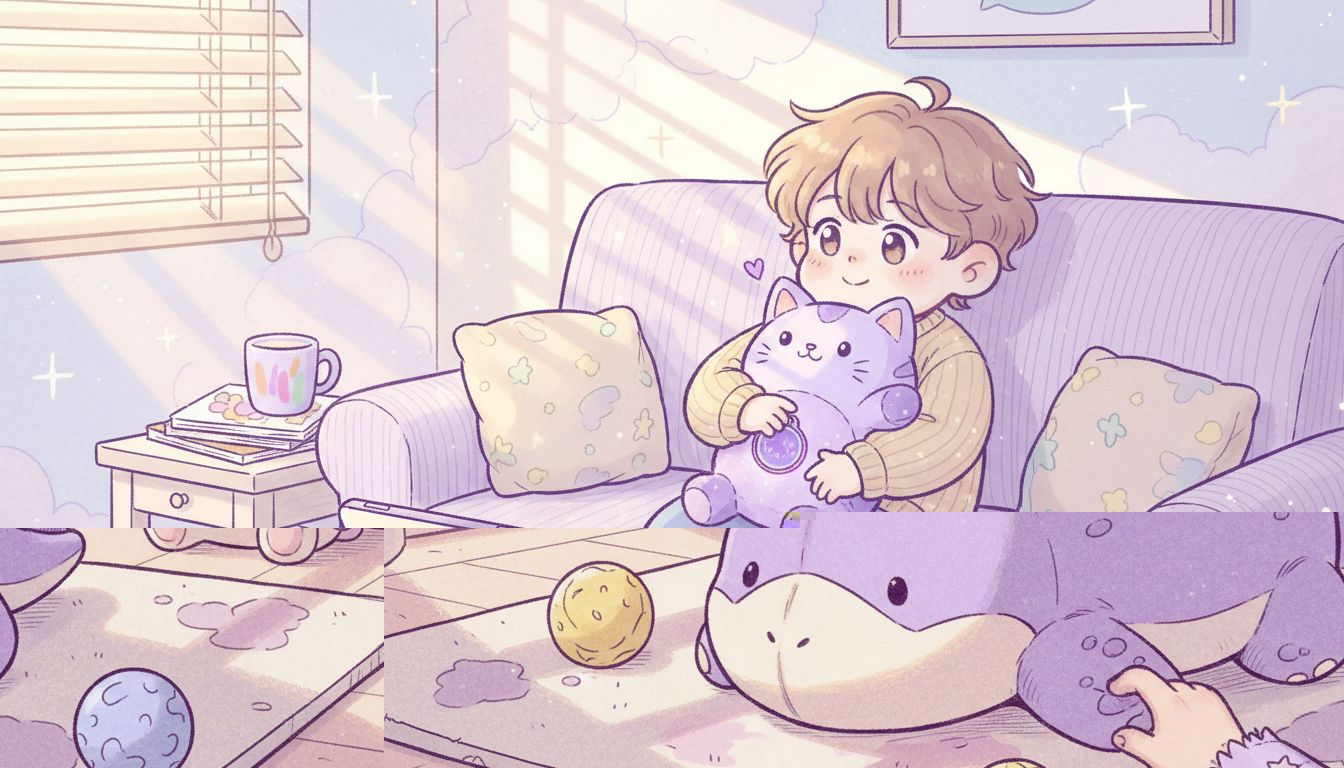
App-connected and NFC-enabled plushes take things further by adding a digital layer. These toys use near-field communication (the contactless tech mentioned earlier) to unlock features through a smartphone app. MOMORO and similar brands offer monthly digital rewards, achievement tracking, and guided calming exercises that tie to physical toy interaction. Your child taps the plush to your phone and something happens—they might unlock a new digital collectible, access a meditation guide, or earn points towards real rewards. This bridges the gap between tactile comfort and the engagement kids actually crave. Unlike toys that demand constant app interaction, the best ones work equally well as simple plushes when screens aren’t available, giving you flexibility.
Here’s a quick breakdown of what to expect:
- Weighted plushes: Best for physical grounding and sensory feedback
- Textured plushes: Great for tactile exploration and fidgeting
- Movement plushes: Channel restlessness into interactive play
- App-connected plushes: Add digital rewards and tracking to physical comfort
- NFC blind boxes: Combine collectibility with monthly digital surprises
The overlap matters too. Many modern interactive plushes combine weighted elements with textured fabrics and app connectivity, giving you multiple benefits in one toy. The research on sensory toys confirms that weighted plush toys aid focus and emotional regulation, which is why the combination approach works so well. Your child gets immediate tactile comfort, the psychological reward of app unlocks, and the longer-term motivation of collectible items.
Pro tip: Start with a weighted or textured plush if your child struggles with app distractions, then add an app-connected toy once they’ve found their rhythm with the basics.
Here is a comparison of key types of interactive plush toys and their unique benefits for children with ADHD:
| Plush Type | Main Sensory Benefit | Level of Digital Engagement | Suitability for ADHD Needs |
|---|---|---|---|
| Weighted plush | Deep pressure for calming | None | Eases anxiety, supports focus |
| Textured sensory plush | Tactile stimulation | None | Reduces restlessness, aids self-soothing |
| App-connected plush | Traditional comfort plus digital rewards | High | Motivates with achievements, personalisation |
| NFC blind box plush | Collectability and tactile comfort | Moderate | Sustains interest, regular new content |
How NFC and Digital Features Function
NFC stands for near-field communication, and it’s honestly one of those bits of tech that sounds complicated but works brilliantly in practice. You know that contactless payment system on your bank card? Same principle. When your child holds their NFC-enabled plush toy near a smartphone with the companion app installed, the toy transmits a tiny amount of data wirelessly to the phone. There’s no pairing process, no Bluetooth frustration, no waiting for connections to load. Tap the toy to the phone, and something happens instantly. NFC enables short-range communication between the toy and digital devices to personalise experiences and provide interactive content, which is exactly what makes it feel magical for kids with ADHD who need immediate, tangible rewards.
What actually happens when your child taps their plush toy is the app reads a unique identifier embedded in the toy’s NFC chip. This ID triggers specific digital content linked to that individual toy. With MOMORO and similar systems, each blind box plush has its own identity, and when tapped, it unlocks monthly digital gifts, achievement badges, or access to exclusive content. The app then personalises the experience based on what your child has already unlocked and their interaction history. So the first tap might unlock a meditation guide, the second might reward them with digital currency, and the third might unlock access to a community challenge. It’s structured in a way that creates genuine motivation without forcing screen time. The physical toy remains exactly what it was, but it becomes a gateway to something bigger and more rewarding.
Beyond basic unlocking, these digital features often include adaptive technology that responds to touch and proximity to engage children based on their individual needs. Some apps track mood check-ins or calming activity completion, giving parents visibility into their child’s emotional patterns without being intrusive. Others gamify the calming process, turning breathing exercises or grounding techniques into achievable challenges with real rewards. The best designs don’t bombard your child with notifications or constant pushes to engage. Instead, they reward your child for choosing to interact with the physical toy, creating a positive feedback loop. Your child squeezes the plush when anxious, remembers they can tap it for a reward, and suddenly has a concrete reason to use their calming tool. That shift from “comfort toy” to “active calming tool” is where the real impact happens for ADHD management.
The technical side also means the experience updates automatically. Monthly digital gifts arrive without you having to do anything. New features roll out through app updates. Your child’s progress syncs across devices. If you’ve got a second device for home, the app remembers everything. And because it’s cloud-based, the experience improves over time as the platform learns what resonates with your child.
Pro tip: Check that the app works offline or has offline caching for critical features, so your child’s toy remains functional during school hours or when internet connectivity is unreliable.
Emotional Support Benefits for Children
Here’s the thing about ADHD and anxiety in kids—they often come hand in hand, and your child needs tools that actually help them feel safer and calmer. Tech-enhanced plush toys work on multiple emotional levels simultaneously. When your child holds a soft, familiar toy during a moment of stress, something genuinely shifts in their nervous system. Tactile comfort and sensory stimulation can reduce anxiety and stress in children by providing immediate solace and helping regulate emotions. This isn’t just about distraction. The physical act of squeezing a weighted plush or stroking its texture sends calming signals to the brain, activating the parasympathetic nervous system—essentially telling your child’s body that everything is okay. Add the digital layer of unlocking rewards through NFC taps, and you’ve created a multi-sensory emotional toolkit that feels like play rather than therapy.
The emotional security aspect runs deeper than most parents realise. Plush toys become what psychologists call “transitional objects,” meaning they bridge the gap between feeling alone and feeling supported. Your child learns that when anxiety hits, they have something concrete to reach for. With interactive plushes, that reaching-for-the-toy moment becomes even more powerful because the toy responds. The tap-and-reward cycle creates a feedback loop that teaches your child a crucial life skill: they can do something to shift their emotional state. They’re not just waiting for the anxiety to pass. They’re actively calming themselves with a tool they’ve chosen and a toy they love. Over time, this builds emotional resilience and genuine coping strategies rather than dependency on external intervention.
What makes the technology piece genuinely valuable here is that plush toys serve as transitional objects that help children manage stress and develop coping skills, and adding digital elements compounds this benefit without replacing the core comfort. The monthly digital gifts create ongoing emotional investment. Your child doesn’t just have a toy they’ve forgotten about next month. They have a companion that continues to surprise and reward them. The app tracking features let you see patterns too. You might notice your child reaches for their plush more on certain days, giving you insight into their emotional patterns. Some children with ADHD benefit enormously from this visibility because it helps them start recognising their own stress signals before they escalate.
The social-emotional angle matters too. Many tech-enhanced plushes foster imaginative play and peer connection. Your child might show their toy to friends, explaining its features and unlocks. They might earn badges that feel genuinely meaningful because they represent their own effort and progress. For children with ADHD who often struggle with self-esteem due to repeated failures and corrections, this positive reinforcement system can be transformative. They’re succeeding. They’re earning. They’re progressing. The plush becomes evidence of their capability, not just a comfort object.
Pro tip: Introduce the plush as a calming tool during calm moments, not just during meltdowns, so your child builds positive associations before they’re desperate for regulation.
Privacy and Safety Issues for Families
Let’s be honest—when you’re buying tech toys for your child with ADHD, the last thing you want to worry about is whether that cute plush is secretly collecting data or exposing your kid to security risks. But it’s a conversation worth having, not because it should scare you away from these toys, but because informed parents make better choices. Connected toys do collect data. That’s just the reality. They track interactions, log which features your child uses, record timestamps, and sometimes gather location information through the app. The key question isn’t whether data collection happens—it’s whether the manufacturer is transparent about it and whether they’re protecting that data responsibly.
The real concern with smart toys centres on what happens if security isn’t robust. Cameras and microphones in smart toys can expose children’s personal information if hacked, raising serious privacy concerns that demand manufacturer accountability and parental awareness. Now, many modern plush toys don’t have cameras or microphones—they’re purely NFC-based, which is fundamentally more secure because NFC doesn’t transmit across distances or capture audio and video. But if you’re considering any connected toy with microphone or camera capability, you absolutely need to understand how that data is being used, where it’s stored, and whether the manufacturer has adequate encryption. Ask yourself: does my child’s calming toy really need to listen to them? If the answer is no, you’ve probably found a safer option.
What matters more is understanding data collection practices and transparency regarding what manufacturers collect and how they delete information. Before purchasing any tech-enhanced plush, check the manufacturer’s privacy policy specifically. Look for answers to these questions: What data does the app collect? How long is it stored? Can you delete your child’s account and associated data? Is there a UK or European data centre, or is everything going overseas? Are there regular security audits? Do they use encryption? Most reputable manufacturers will have this information readily available, and if they don’t, that’s a red flag worth paying attention to.
The practical side is simpler than it sounds. Use strong, unique passwords for the app account. Enable two-factor authentication if available. Don’t link the toy app to social media accounts unless absolutely necessary. Consider creating a dedicated email address just for toy apps rather than using your main email. Keep the app updated, as updates often include security patches. And honestly, the most secure approach is choosing toys with minimal connectivity requirements. NFC-based toys that work primarily offline and only need internet for monthly updates are significantly safer than toys that require constant cloud connection.
Don’t let privacy concerns paralyse your decision-making though. The benefits of interactive plush toys for ADHD support are real and meaningful. Just approach it the way you’d approach any technology your child uses—with thoughtful consideration rather than blind trust or unnecessary fear.
Pro tip: Before buying, contact the manufacturer directly and ask for their privacy and security documentation—companies with nothing to hide are usually happy to share this information.
The following table highlights privacy features to consider when choosing tech-enhanced plush toys in the UK:
| Privacy Feature | Why It Matters | Safe Practice |
|---|---|---|
| Data transparency | Ensures parents know what is collected | Check clear privacy policy |
| Device sensors | Limits risk from cameras/mics | Prefer toys without active monitoring |
| Account security | Protects child’s identity | Use strong passwords, authentication |
| Offline functionality | Reduces exposure to breaches | Select toys working mainly offline |
Choosing Effective Plush Toys in the UK
Choosing the right plush toy for your child with ADHD isn’t about picking the prettiest one or the one with the most features. It’s about matching the toy to your child’s specific needs and personality. Every kid is different—some need weighted pressure, others need texture to fidget with, and some benefit most from the digital engagement side. Start by observing what your child gravitates towards naturally. Are they constantly seeking pressure, like squeezing cushions or wrapping themselves in blankets? That’s a sign a weighted plush would resonate. Do they struggle with sitting still or have restless hands? Textured surfaces with crinkly, bumpy, or silky elements might be the answer. Are they motivated by rewards and progress tracking? Then the app-connected features become genuinely valuable. The toy doesn’t need to be expensive or trendy—it needs to match your child’s actual sensory profile.
Sensory-friendly toys that provide calming feedback aid focus and self-regulation in children with ADHD, making them essential consideration when selecting a support tool. Look for plushes specifically designed with ADHD in mind rather than generic cuddly toys. Check whether the manufacturer has tested their product with neurodivergent children or consulted with ADHD specialists. In the UK market, you’re looking for toys that meet British safety standards and preferably come with transparent information about sensory design choices. Size matters too—some children benefit from smaller, portable plushes they can carry to school, whilst others prefer larger ones they can fully wrap around themselves. Weight distribution is important if you’re considering weighted options. The weight should feel grounding without being restrictive or uncomfortable.
When evaluating specific products, consider practical factors beyond the immediate appeal. Check whether the app requires iOS, Android, or both. Does it work offline or does your child need constant internet access? Can you create an account without linking it to social media? Is customer support available if something goes wrong? Read actual parent reviews rather than just the manufacturer’s descriptions. Real parents share whether toys survived actual use, whether the app promised features actually materialise, and whether their child actually stayed interested after the initial novelty wore off. Many UK retailers stock interactive plushes now, and you’ve got the advantage of trying them in person before committing. Take your child to browse if possible—their reaction tells you far more than any product description.
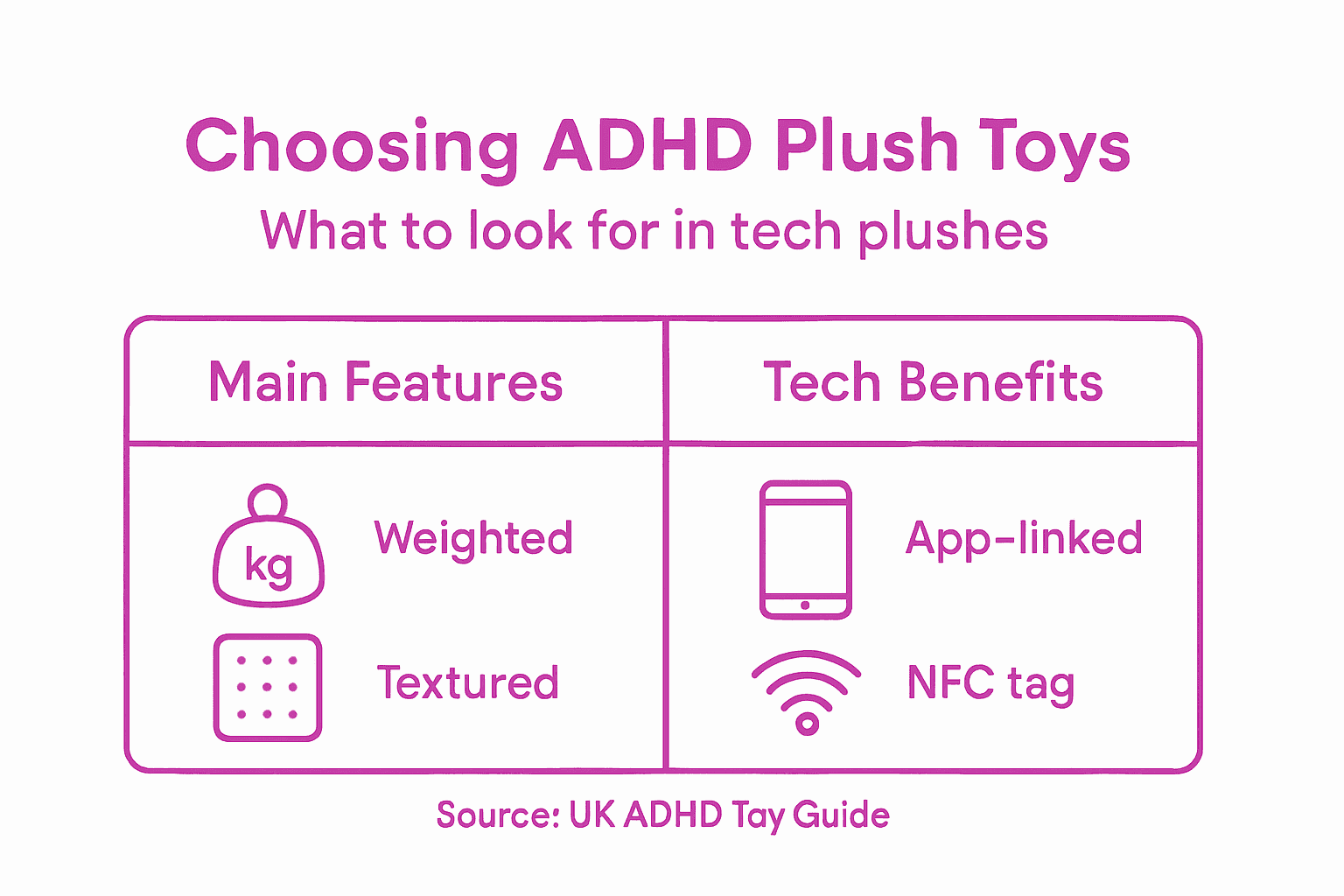
Consider the monthly cost commitment too. Some tech-enhanced plushes require ongoing subscription fees for app features or digital rewards. Others are one-time purchases. Work out what fits your budget realistically. Additionally, selecting toys that provide calming tactile feedback helps children manage emotional regulation during transitions and stressful moments, so prioritise texture and tactile design over flashy features. Start simple if you’re unsure—a weighted, textured plush without the app complexity can be incredibly effective. You can always add digital features later if your child responds well to the basics. The goal is finding something your child reaches for naturally, not something that feels like homework.
Pro tip: Ask the manufacturer or retailer whether you can return the plush if your child doesn’t connect with it, especially with higher-priced tech-enhanced options—some UK retailers offer trial periods specifically for this reason.
Discover How Tech-Enhanced Plush Toys Can Bring Calm and Comfort for ADHD
The challenge of finding a soothing and engaging companion for children with ADHD is real. Tech-enhanced plush toys offer more than just softness and tactile comfort. As discussed in the article, toys that combine weighted textures, NFC technology, and digital rewards create a unique calming toolkit that supports emotional regulation and focus. If you are seeking a thoughtful solution that bridges tactile comfort with purposeful interaction, consider the Japanese-inspired designs that specifically cater to these needs.
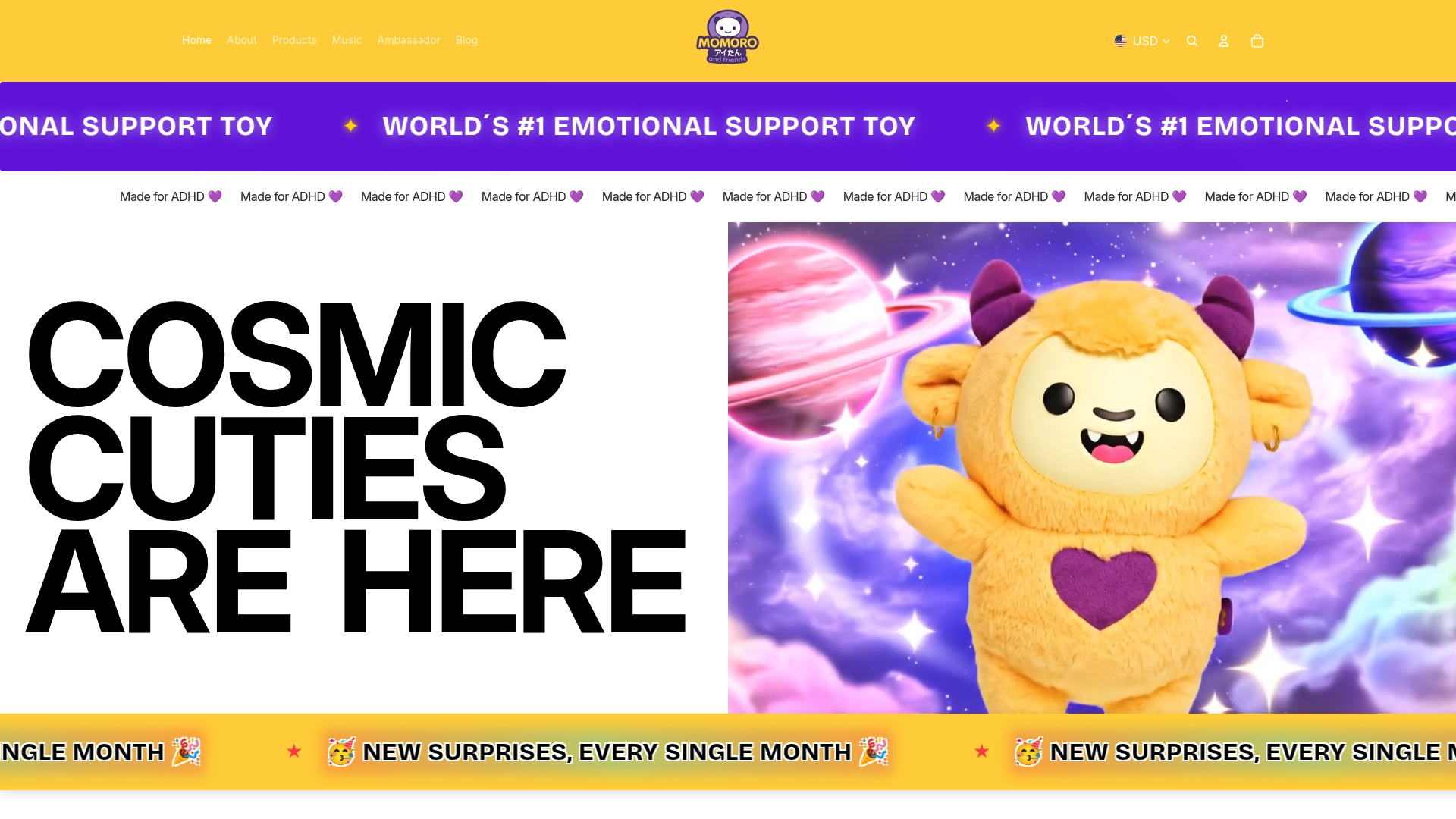
Explore the world of Shop Japanese-Inspired Plush Toys for ADHD & Anxiety – MOMORO & Friends to find carefully crafted, NFC-enabled blind box plush toys that unlock monthly digital gifts designed to ease stress and lift moods. Limited to 5,000 units per drop, each MOMORO collectible blends comfort, creativity and technology with heart. Don’t wait to provide your child with a comforting friend who offers both sensory support and ongoing motivation. Visit MOMORO & FRIENDS today and choose a companion that helps your child calm, focus, and thrive.
Frequently Asked Questions
What are tech-enhanced plush toys?
Tech-enhanced plush toys are traditional soft toys that incorporate sensors and digital features, allowing them to interact with children through touch or voice, creating a responsive play experience.
How do tech-enhanced plush toys help children with ADHD?
These toys provide tactile comfort and purposeful interaction, helping to relieve anxiety through calming engagement and offering rewards and achievements through companion apps.
What types of interactive plush toys are available for ADHD support?
Available types include weighted plushes for grounding, textured sensory plushes for tactile exploration, app-connected toys that offer digital rewards, and NFC-enabled collectibles that provide ongoing engagement.
What safety measures should I consider when choosing tech-enhanced plush toys?
Consider privacy features like data transparency, the absence of cameras and microphones, account security, and whether the toy offers offline functionality to reduce exposure to potential security risks.
Recommended
- Defining Interactive Plush: Calming ADHD and Anxiety – MOMORO & Friends
- 7 Key Benefits of Interactive Plush Toys for ADHD Support – MOMORO & Friends
- Definition of Interactive Plush – Impact on ADHD Calm – MOMORO & Friends
- Next‑Gen Plush: Calming Tech for Kids with ADHD – MOMORO & Friends
- What Is a Lovey and How It Comforts Babies