

Finding a calming collectible toy for a child with ADHD can sometimes feel like searching for something truly comforting in a busy United Kingdom shop. Emotional support is vital, especially when anxiety and focus present daily hurdles. Understanding what makes a collectible toy different—and why these items matter for mental well-being—helps parents discover options that are more than just playthings. From tactile plushies to interactive figurines, these toys offer connection, structure, and genuine relief for children who need stability and joy in their everyday routines.
Table of Contents
- Defining Collectible Toys And Their Purpose
- Types Of Collectible Toys For Mental Health
- How Interactive Collectibles Support Well-being
- Emotional And Social Benefits For Children
- Choosing Safe And Effective Collectible Toys
Key Takeaways
| Point | Details |
|---|---|
| Collectible Toys Serve Dual Purposes | These toys function beyond play; they offer emotional connection and investment opportunities for collectors. |
| Types Impact Mental Health | Different categories of collectibles, such as plushies and interactive toys, provide specific sensory and emotional benefits tailored to individual needs. |
| Interactive Features Enhance Engagement | Toys with interactive elements create anticipation and cognitive stimulation, fostering emotional well-being and creativity. |
| Safety is Paramount | Always prioritise safety by selecting toys marked with UKCA or CE certifications and inspecting for quality to ensure child safety. |
Defining Collectible Toys and Their Purpose
Collectible toys aren’t just toys anymore, honestly. They’ve evolved into something quite different from the action figures or building blocks you might remember from childhood. A collectible toy is fundamentally an object specifically designed for collectors rather than active play. These items often come as limited editions, special releases, or numbered pieces meant to be preserved, displayed, and valued over time. Some collectible toys, like blind box plushies from brands such as Popmart or Miniso, create an element of surprise and discovery that makes the collecting experience feel more intentional and rewarding.
What sets collectible toys apart from standard toys is their dual purpose. Toys traditionally serve entertainment and physical exercise, but collectibles blur this line by incorporating elements of investment, memory reinforcement, and emotional connection. When you’re collecting something limited, each piece becomes part of your personal story. The act of collecting itself becomes the primary value, rather than the toy’s function as a plaything. This shift in purpose is crucial to understanding why collectible toys resonate so differently with adults and why they’ve become increasingly popular as stress relief tools and therapeutic objects.
In the context of ADHD and anxiety, collectible toys serve an even deeper function. These items aren’t just about ownership or display—they become anchoring objects. The tactile experience of unboxing a new blind box, the visual appeal of displaying your collection, and the structured nature of collecting all provide sensory input and mental focus. Brands like Smiski, Sonny Angel, and Mighty Jaxx have tapped into this by creating collectibles with aesthetic appeal and tangible quality that invites interaction. Collectibles are valued for their ability to be collected, preserved, and sometimes appreciated in worth, but beyond the financial side, they offer psychological grounding—something to hold, something to organise, something to care for.
Pro tip: When selecting collectible toys for anxiety management, prioritise pieces with appealing textures and compact sizes that fit naturally into your daily routine—something you can reach for during stressful moments without feeling like you’re dedicating excessive time to the collection.
Types of Collectible Toys for Mental Health
When it comes to collectible toys designed specifically for mental wellbeing, the variety is honestly quite impressive. Not all collectibles are created equal, especially when you’re looking for something that actually helps with ADHD or anxiety rather than just sitting on a shelf. The most effective collectible toys for mental health tend to fall into a few distinct categories, each serving different sensory and emotional needs.
Blind box plushies are probably the most popular type right now, and for good reason. These soft, huggable figures come in mystery boxes, which creates that element of surprise and discovery that keeps your brain engaged. Brands like Popmart and Miniso have made blind boxes a cultural phenomenon, but what really matters for mental health is the tactile comfort combined with the structured collecting ritual. The act of unboxing becomes a mindful moment. Similarly, weighted or textured plushies provide direct sensory input, offering something soft to hold when anxiety kicks in. These collectibles serve a purpose beyond display—they’re genuinely useful tools for emotional regulation.
Another significant category is NFC-enabled or interactive collectibles, which combine physical objects with digital engagement. MOMORO represents this newer breed, where each plushie unlocks monthly digital gifts and experiences through technology. This blend of physical and digital connection addresses a modern need—you get the comfort of a tangible object plus the engagement of interactive features. Therapeutic toys used in support and assessment pathways have long demonstrated their value in clinical settings, providing comfort and encouraging focus. Collectibles designed with this therapeutic principle in mind work because they acknowledge that mental health support isn’t one-size-fits-all. Some people need something they can hold, others need something they can organise, and some need both.
Then there are art collectibles and figurines from brands like Smiski, Sonny Angel, and Mighty Jaxx, which prioritise aesthetic beauty and craftsmanship. These pieces appeal to your visual senses and create a sense of pride in ownership. When your space looks intentional and beautiful, it genuinely affects your mental state. The variety in types means you can choose based on what your nervous system actually needs rather than what looks impressive to others.
Pro tip: Start with one or two types of collectibles rather than diving into everything at once, then observe which type genuinely calms you—whether it’s the tactile comfort of plushies, the visual joy of figurines, or the interactive engagement of tech-enabled pieces.
Here’s a comparison of common collectible toy categories and how each one supports mental health:
| Toy Category | Sensory Benefits | Emotional Impact | Unique Feature |
|---|---|---|---|
| Blind box plushies | Softness, surprise element | Comfort and anticipation | Mystery unboxing experience |
| Weighted/textured plushies | Tactile and pressure input | Calming, reduces anxiety | Provides deep touch stimulation |
| NFC-enabled/interactives | Multi-sensory and digital engagement | Positive reward cycles | Monthly digital unlocks |
| Art collectibles/figurines | Visual beauty and organisation | Pride, enjoyable decor | Crafted aesthetic designs |
How Interactive Collectibles Support Well-being
Interactive collectibles work differently than static ones, and honestly, the difference is significant when you’re managing ADHD or anxiety. The moment you introduce engagement mechanisms—whether digital, tactile, or gamified—you’re no longer just looking at a display piece. You’re creating an active relationship with the object. This distinction matters because your brain craves stimulation and purpose, not just visual appeal. Interactive collectibles address this by building reward systems directly into the collecting experience.
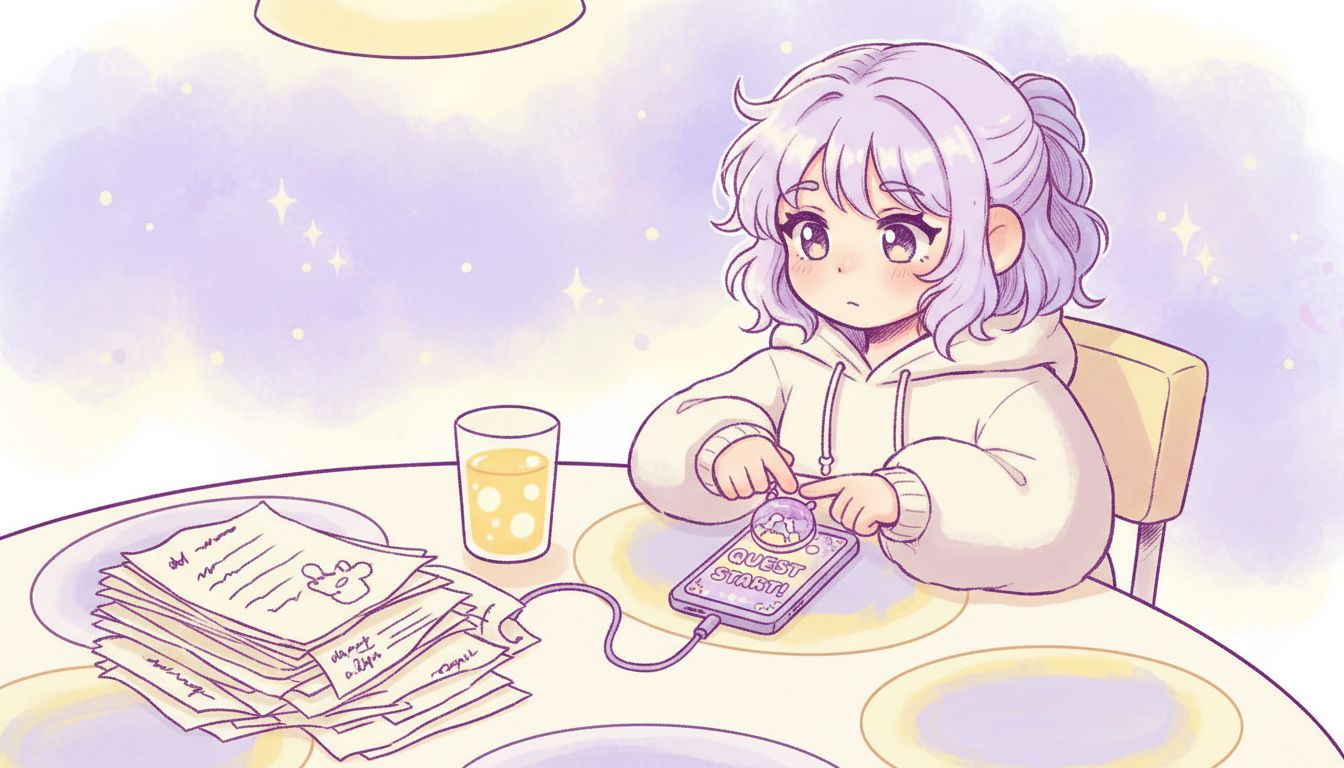
When a collectible has interactive features, it activates multiple parts of your brain simultaneously. Think about MOMORO plushies with NFC technology that unlock monthly digital gifts. You’re not just admiring something pretty; you’re engaging with a system that creates anticipation, discovery, and ongoing reward cycles. Interactive engagement correlates positively with well-being, offering cognitive and social benefits that enhance satisfaction and motivation. This is why interactive collectibles feel so different from passive ones. The act of scanning, unlocking, discovering something new provides genuine dopamine hits, which is particularly valuable when you’re navigating ADHD’s attention challenges.
Beyond the digital layer, interactive collectibles encourage creativity and personal expression. Well-designed toys engage both children and adults through promoting creativity, learning, and social interaction, enhancing emotional health and cognitive skills. When you’re collecting something interactive, you’re often sharing it, discussing it, or building something with it rather than simply storing it away. This social element transforms collecting from a solitary activity into something connective. For parents managing a child’s ADHD, interactive collectibles become conversation starters and shared moments of discovery. You’re not just giving them a toy; you’re creating pockets of positive engagement throughout the month.
The structured nature of interactive collectibles also supports anxiety management beautifully. Knowing that something new arrives each month creates predictability within uncertainty. Your nervous system relaxes slightly when there’s a reason to anticipate something good. The ritual of checking for new unlocks, the tactile experience of unboxing, the visual surprise of what’s inside—these become grounding touchpoints. For children and adults alike, this combination of interactive mechanics and regular reward cycles provides exactly the kind of engagement that supports emotional wellbeing.
Pro tip: Choose interactive collectibles with features you’ll actually use regularly rather than those that seem impressive but require complicated setup—the simplest engagement mechanics are often the most calming and sustainable for ADHD minds.
Emotional and Social Benefits for Children
Collectible toys, particularly plushies and interactive pieces, offer something children with ADHD and anxiety genuinely need: a tangible way to process emotions and connect with others. Kids often struggle to articulate what they’re feeling, but when you hand them a soft, huggable collectible, something shifts. Suddenly there’s a companion object that becomes a bridge between their internal world and the outside. This matters more than you might think for emotional development.
Children’s personal, social, and emotional development is crucial for a happy, healthy life and cognitive growth. Collectible toys support this development by giving children concrete ways to recognise emotions, practise social skills like sharing and cooperation, and build confidence through ownership and care. When a child has their own collection, they’re developing responsibility and pride. They’re learning to organise, display, and protect something meaningful. These aren’t small things. A child managing ADHD suddenly has a focus point that doesn’t feel like work. A child with anxiety has something soft to hold when uncertainty feels overwhelming.
The social dimension is equally powerful. Children naturally want to share their collections, talk about what they’ve found, and compare pieces with friends. This transforms collecting from a solitary activity into a social one. Certain toys distinctly influence children’s social, emotional, and cognitive behaviours, with particular pieces encouraging social interaction and emotional expression. Collectible plushies spark conversations. Your child might be quiet or withdrawn, but show them a new blind box unboxing, and suddenly they’re engaged, animated, sharing. For parents, this is gold. These moments become opportunities for connection without pressure.
When you combine the emotional grounding of a soft collectible with the social reward of sharing, you’re creating positive feedback loops. A child feels less anxious because they have something comforting. They feel more confident because they’ve built a collection. They feel more connected because they can share it. The collectible becomes a quiet tool for emotional regulation and social confidence building. Interactive collectibles add another layer—the shared experience of discovering what’s unlocked together, discussing digital gifts, or planning the next piece to find. For ADHD minds especially, these structured social moments feel less chaotic and more manageable.
Pro tip: Encourage your child to display their collection prominently where they can see it and show it to visitors, as this reinforces the pride of ownership and creates natural opportunities for social sharing without forced interaction.
Choosing Safe and Effective Collectible Toys
Safety isn’t boring when it comes to collectible toys, honestly. It’s actually the foundation that lets your child or you actually enjoy the collection without that nagging worry in the back of your mind. When you’re selecting collectibles for a child with ADHD or anxiety, safety becomes even more important because you want them reaching for these items without hesitation, knowing they’re genuinely safe. The good news is that checking safety standards doesn’t require a degree.
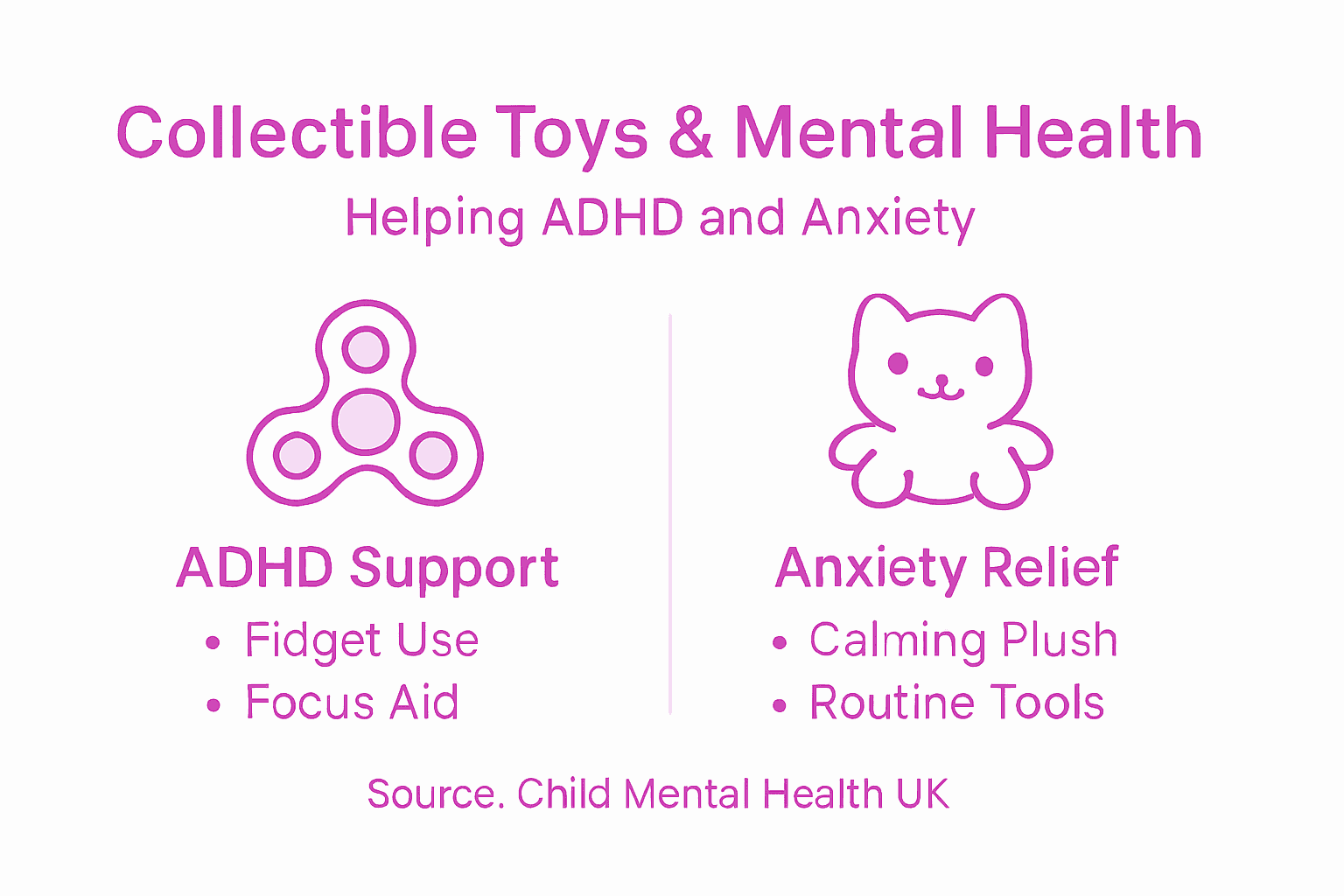
In the United Kingdom, toy safety is governed by strict regulations requiring manufacturers to comply with essential safety requirements, including proper labelling and safety warnings. This means legitimate toys sold in the UK have already passed rigorous testing. When you’re shopping, look for the UKCA mark or CE mark on packaging and products. These marks tell you the toy has been tested and meets safety standards. Avoid unmarked items or toys from unknown sellers, especially on unreliable marketplaces. Counterfeit toys might look identical but could contain harmful materials or small parts that pose choking risks.
Here’s a quick reference to toy safety marks and what they indicate for UK consumers:
| Safety Mark | Indicates | Why It Matters |
|---|---|---|
| UKCA | Meets UK safety standards | Assures regulation compliance |
| CE | Valid EU safety standard | Ensures safe materials and design |
| No Mark | Not tested/certified | Higher risk, avoid purchase |
Beyond compliance marks, think practically about the specific toy. When buying toys safely, check that pieces are appropriate for the child’s age and avoid small parts for young children, which prevents choking hazards. For collectible plushies, inspect seams carefully—they should be firmly stitched without loose threads. Check that eyes and embellishments are securely attached, not glued on with adhesive that could separate. For interactive collectibles like MOMORO, verify that the NFC technology is built safely into the plushie without exposed electronics. Ask yourself: would my child be completely safe holding this for hours? Would it survive their reality, with all its chaos and intense engagement?
Consider your child’s specific needs too. A child with severe anxiety might need something especially soft and washable. A child who tends to chew on things needs toys made from non-toxic materials without detachable parts. Interactive features should be genuinely calming, not overstimulating. Quality matters because a poorly made collectible that falls apart creates frustration rather than comfort. Trusted brands like MOMORO, Popmart, and Miniso maintain consistent quality control because their reputation depends on it.
Pro tip: Purchase from authorised retailers or the brand’s official website to ensure authenticity, check product reviews from parents with ADHD or anxious children, and always inspect new collectibles before giving them to your child.
Discover How Interactive Collectibles Can Support ADHD and Anxiety
If you found value in learning about the purpose of collectible toys for mental health, explore how MOMORO & FRIENDS brings those benefits to life. By combining tactile comfort, intentional collecting, and interactive technology, MOMORO creates a unique calming experience designed specifically for ADHD and anxiety. With each NFC-enabled blind box plush unlocking monthly digital gifts, you gain more than a collectible: you form a comforting ritual that helps ease stress and sustain positive emotions.
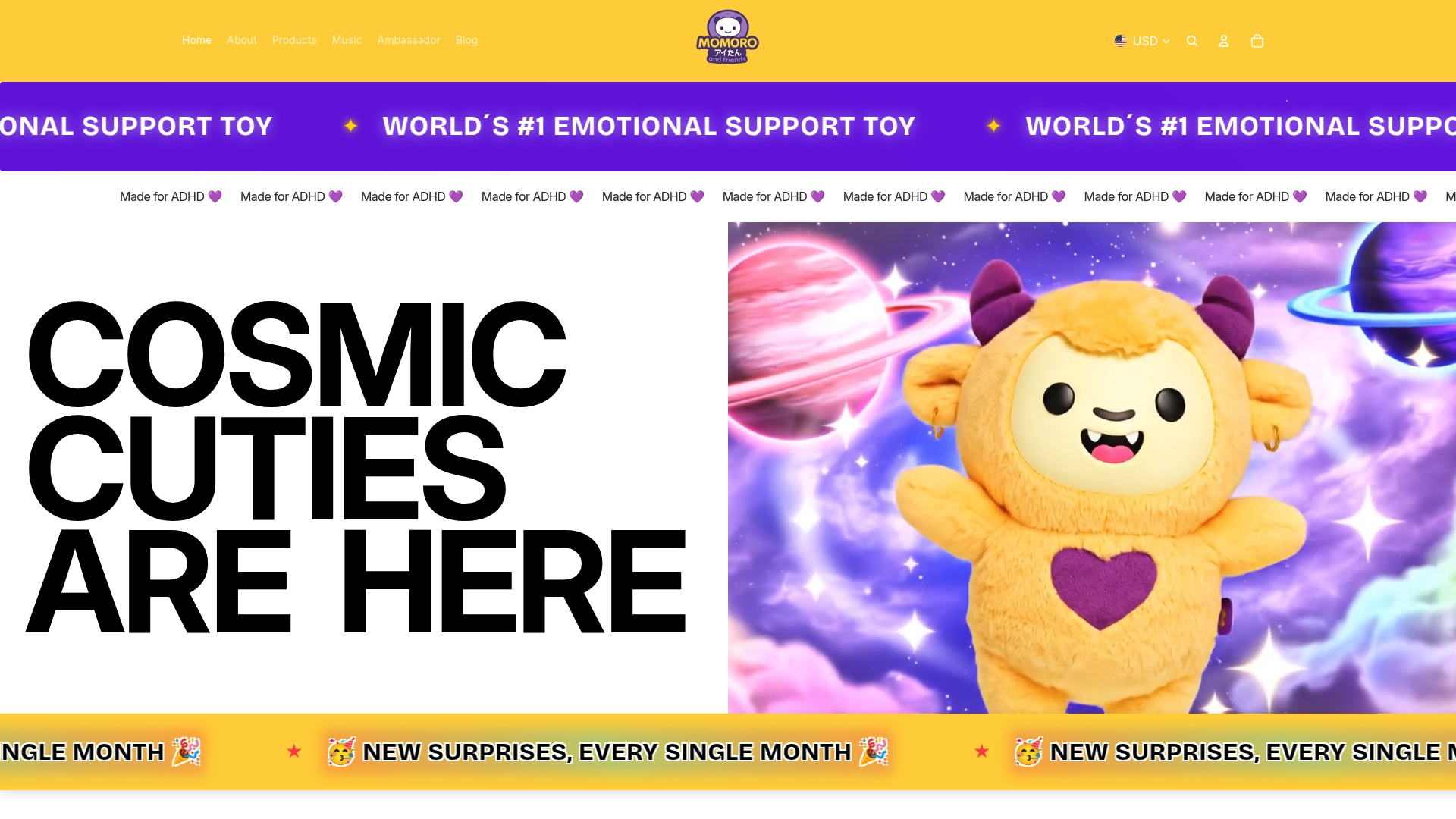
Take the next step in managing anxiety or ADHD with a companion that understands your needs. Visit MOMORO & FRIENDS to secure your limited edition plush and experience the power of interactive collecting. Act now to enjoy the soothing blend of creativity and technology built around your wellbeing. Learn more about the concept behind these collectibles on our site and see why they are unlike any traditional toys of the past.
Frequently Asked Questions
What are collectible toys and how do they differ from traditional toys?
Collectible toys are designed specifically for collectors rather than active play. They often come as limited editions and are meant to be preserved and displayed, incorporating aspects of investment and emotional connection.
How can collectible toys help with ADHD and anxiety?
Collectible toys provide sensory input and mental focus through their tactile experience and structured collecting nature. They can act as calming anchors, offering comfort and emotional grounding during stressful moments.
What types of collectible toys are best for mental health?
Blind box plushies, weighted plushies, NFC-enabled collectibles, and art figurines can all support mental health by offering various sensory and emotional benefits, such as comfort, anticipation, and visual pleasure.
How do interactive collectibles support mental well-being?
Interactive collectibles engage the brain through active relationships, creating reward systems and enhancing emotional health, motivation, and social interaction. They transform the collecting experience into a more engaging and rewarding activity.
Recommended
- Explore How Collectible Plushies Enhance ADHD Wellbeing – MOMORO & Friends
- 7 Smart Tips for Collecting Plush Toys for Calm Minds – MOMORO & Friends
- 7 Key Benefits of Interactive Plush Toys for ADHD Support – MOMORO & Friends
- Discover 7 Key Benefits of Plush Collectibles for Calm – MOMORO & Friends
- Complete Guide to Why Collect Military Souvenirs – The Regimental Store Ltd