

Every parent knows those moments when worry and unease take over their child’s day, whether it is the morning school rush or bedtime struggles in a British household. Finding gentle, practical ways to support children with ADHD and anxiety matters because these challenges affect everyday life and family wellbeing. Discover how grounding sensory input from interactive plush toys can offer comfort, calm, and emotional support, making tough situations more manageable for your child.
Table of Contents
- Plush Toys And Anxiety – Core Concepts
- Types Of Anxiety-Relief Plush Toys Available
- How Sensory Features Calm Anxious Children
- Interactive And Collectible Plushies For ADHD Support
- Practical Risks And Safety In UK Homes
- Alternatives And Common Mistakes To Avoid
Key Takeaways
| Point | Details |
|---|---|
| Understanding Anxiety | Anxiety in children manifests as worry and fear and can disrupt daily activities, making them feel unsafe. Plush toys offer a grounding effect that can help manage these feelings in a non-invasive manner. |
| Selection of Plush Toys | Not all plush toys are equal; consider sensory features, durability, and appropriateness for individual needs to ensure effective anxiety relief. |
| Engagement with Interactive Toys | Interactive plush toys maintain engagement and interest, crucial for children with ADHD or anxiety, by blending physical comfort with dynamic features. |
| Safety Considerations | Ensure plush toys comply with UK safety regulations to prevent hazards; check for proper safety markings and inspect for loose parts regularly. |
Plush toys and anxiety – core concepts
Anxiety in children is straightforward to understand at its core. It’s that feeling of worry, fear, or unease that shows up when kids are facing something uncertain or scary. Anxiety manifests through thoughts, feelings, and physical sensations, triggering what’s often called the “fight, flight or freeze” reaction—basically your body’s way of protecting itself from perceived threats. The problem arises when this anxiety starts interfering with daily life, causing genuine distress and making kids want to avoid situations altogether. You’ll notice it when your child becomes clingy before school, has trouble sleeping, or develops repetitive worries that won’t settle down.
Here’s where plush toys enter the picture. Unlike anxiety medication or formal therapy (which absolutely have their place), plush toys work as practical support tools that help manage everyday anxiety and sensory overload. Fidget and plush toys support emotional regulation by providing grounding sensory input, helping release nervous energy through touch and repetitive movements. Think of it like this: when your child’s nervous system is firing on all cylinders, the soft texture and weight of a plush toy gives their brain something concrete to focus on. The rhythm of hugging, squeezing, or stroking creates a calming feedback loop that interrupts the anxiety spiral. These aren’t medical treatments—they won’t cure anxiety disorder—but they’re genuinely useful for helping children cope with mild to moderate anxiety by engaging the senses in a grounding way. The emotional support benefits of plush collectibles for calm demonstrate how comfort objects can become part of a child’s emotional toolkit.
What makes this approach so effective for UK families is that it’s non-invasive and accessible. Most children respond well to having a soft companion to turn to during stressful moments—whether that’s before a school presentation, during a hospital visit, or when managing sensory overwhelm. The key concept here is that plush toys offer what we call “grounding”—they anchor your child in the present moment through their senses, giving their anxious mind something steady to hold onto instead of spiralling into “what-ifs.”
Pro tip: Pair the plush toy with a simple breathing routine: encourage your child to hold their comfort toy and take five slow breaths together, making the toy part of their calming toolkit rather than just a passive comfort object.
Types of anxiety-relief plush toys available
When you’re looking at anxiety-relief plush toys, you’ll quickly notice they’re not all the same. Different kids respond to different sensory experiences, so the variety matters. Some children gravitate towards soft resistance toys like squishies or putty that they can squeeze and manipulate with their hands. Others prefer toys with repetitive motion elements, like rolling stones or beads they can rotate between their fingers. Then there are the ones with tactile sound features—clicky buttons, crinkly fabric, or gentle jingling bells inside. Anxiety-relief plush toys offer diverse sensory inputs tailored to individual preferences and needs for grounding, so your child might gravitate towards one type over another based on what their nervous system actually responds to.
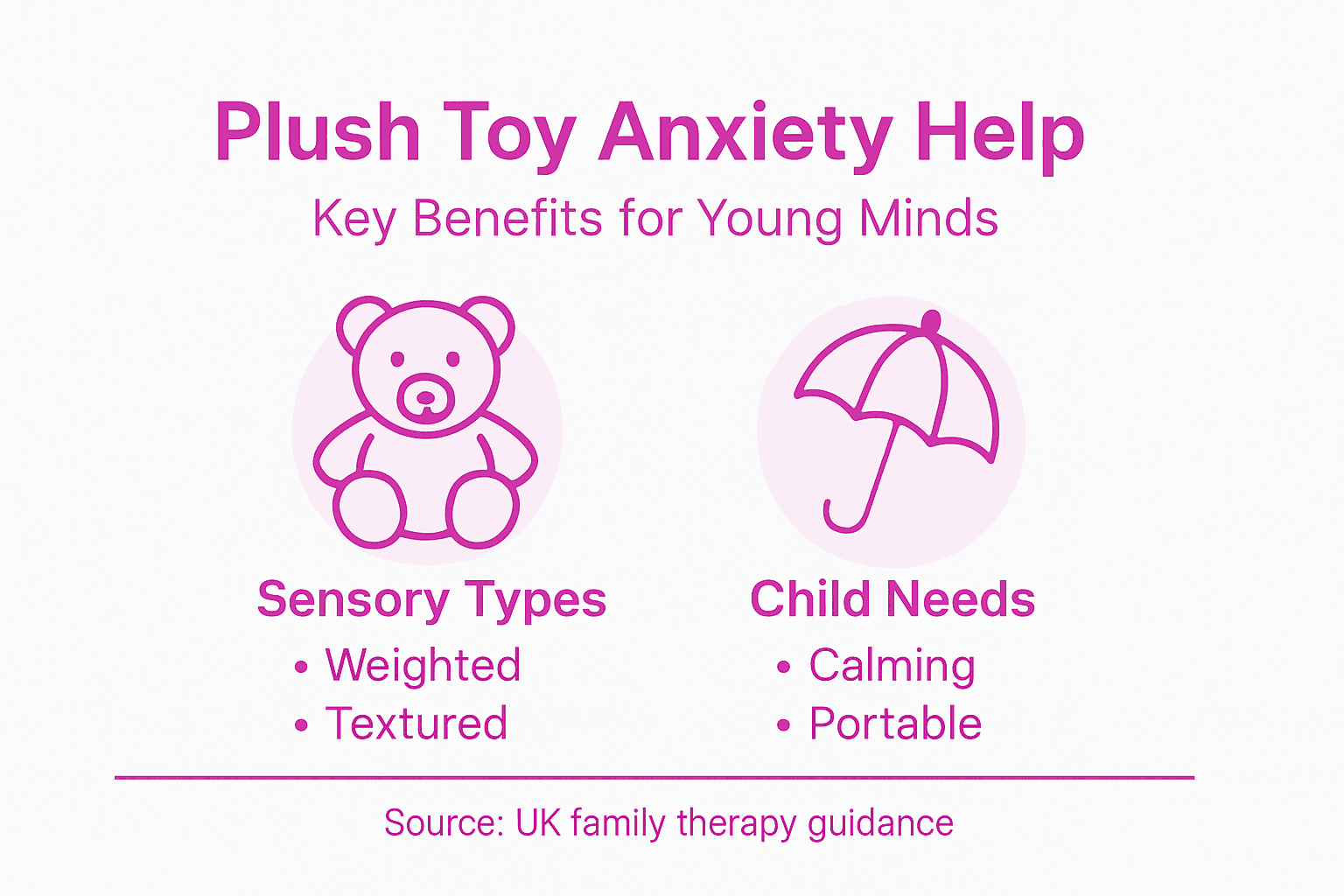
Beyond the sensory experience itself, what matters practically is choosing plush toys with the right combination of features for your child’s specific situation. Look for comforting textures that feel genuinely soothing to touch, not scratchy or overstimulating. Consider noise levels carefully—some children find soft rustling calming, whilst others find it distracting or anxiety-inducing. Portability is worth thinking about too; if your child needs their comfort toy at school or during outings, you’ll want something that fits easily into a school bag without drawing too much attention. Durability matters because a plush toy that falls apart after a few weeks loses its emotional anchor. Finally, check that it’s easy to use—your child should be able to access the sensory experience intuitively without complicated steps or adult help.
MOMORO and similar interactive collectible plushes take this concept further by combining physical comfort with digital engagement, offering plush therapy benefits for managing ADHD and anxiety. You might also explore types of emotional support plushies designed for calm to see what resonates with your child’s sensory profile. The key is matching the toy’s characteristics to your child’s actual needs rather than assuming all anxiety-relief toys work the same way. Some children need something to squeeze hard, others need gentle textures, and some need a combination approach.
Pro tip: Test different sensory toys with your child before committing to one; ask them which textures, sounds, and weight feel most calming rather than guessing based on age or preference.
Here’s a quick overview of popular anxiety-relief plush toy types and their key characteristics:
| Toy Type | Main Sensory Feature | Best For |
|---|---|---|
| Weighted plush toy | Deep pressure sensation | Calming before sleep or transitions |
| Resistance squishies | Squeezing, manipulation | Releasing nervous energy |
| Textured plush | Soft or varied fabrics | Gentle sensory reassurance |
| Interactive plush | Sound, movement, tactile | Engagement and sustained interest |
How sensory features calm anxious children
Sensory calming works because it speaks directly to your child’s nervous system in a language it understands. When anxiety kicks in, a child’s sensory processing goes into overdrive, flooding their brain with too much input and triggering that fight, flight or freeze response we talked about earlier. By introducing specific sensory inputs, you’re essentially giving their nervous system something predictable and soothing to focus on instead. Deep pressure touch, rhythmic movement, and calming auditory stimuli lower sensory arousal and help children regulate anxiety by providing grounding experiences. Think of it like turning down the volume on everything else so their brain can settle.
Different sensory features work in different ways. Weighted plush toys deliver deep pressure that feels genuinely soothing and grounding, almost like a gentle hug your child can control. Soft textures provide light touch stimulation that’s calming without being overwhelming. Rhythmic elements like rocking or swaying motions mimic the slow, predictable patterns that naturally soothe anxiety. Some toys include auditory features such as soft chimes or gentle rustling that create a calming soundscape. The key insight is that these aren’t random features; they’re designed to help children self-calm, improve focus, and tolerate sensory overload. When your child has access to these inputs through a plush toy, they’re building their own emotional regulation toolkit rather than relying entirely on adults to calm them down.
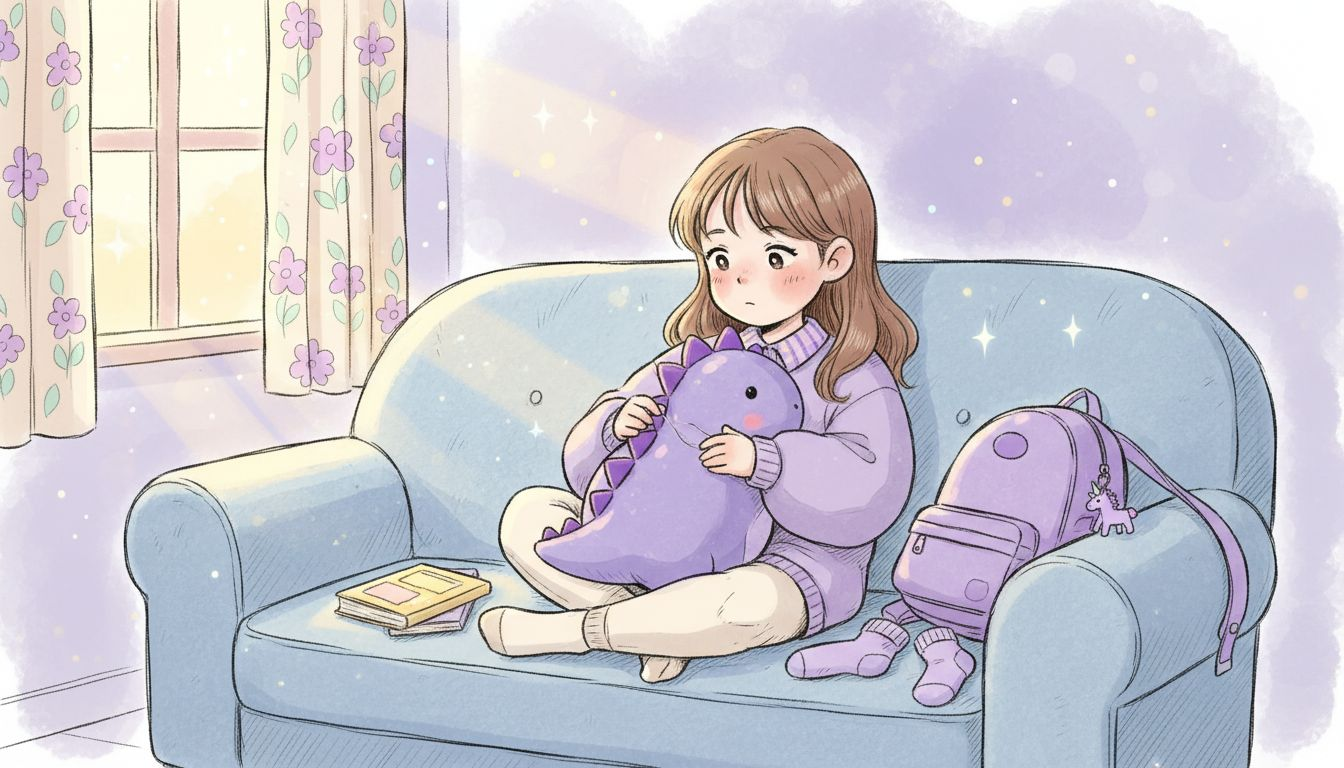
What makes plush toys particularly effective is their accessibility and portability. Unlike other sensory tools that stay at home or in therapy settings, a plush toy goes everywhere your child goes. Before a stressful school day, during transition times between lessons, or when sitting in a busy waiting room at the GP, your child has their sensory support right there in their hands. The toy becomes predictable and safe, which actually matters more than you might think. Children with anxiety crave predictability because it reduces the unknown threat their brain perceives. When they know exactly how their plush toy feels and what it does, it becomes an anchor point in chaotic moments. How you introduce sensory toys matters as much as the toy itself; the goal is letting your child discover what works rather than forcing a particular toy on them.
Pro tip: Observe which sensory features your child naturally gravitates towards (squeezing, rubbing, holding) and prioritise toys that match those instincts rather than fighting their natural preferences.
Interactive and collectible plushies for ADHD support
Interactive and collectible plushies represent a step up from standard comfort toys because they blend the sensory benefits we’ve discussed with engagement and ongoing interest. Unlike a regular plush toy that stays the same day after day, interactive collectible plushies offer something dynamic that keeps children with ADHD genuinely invested. Interactive plush toys designed for ADHD offer weighted fidget-friendly features with deep-pressure input and tactile stimulation that help with self-regulation, focus reduction of anxiety, and emotional comfort. The collectible aspect matters too because children with ADHD often respond well to having something to work towards or complete, which can actually channel their natural drive for novelty and progression into something calming rather than chaotic.
What sets these toys apart is their thoughtful design. Many include removable weighted inserts that let your child adjust the deep-pressure sensation depending on their mood that day. Soothing textures are woven throughout, with some featuring crinkle sections, silky patches, or rubberised elements that provide varied tactile stimulation. Some interactive plushies include sensory tags or attachments that jingle softly or crinkle when manipulated. The real innovation, though, is when these physical comfort features combine with digital components. MOMORO and similar brands pair the plush collectible with monthly unlockable digital gifts through NFC technology, creating a reason for your child to return to their plush toy regularly. This built-in engagement helps prevent the “toy gets shoved in a drawer” problem that happens with one-dimensional comfort objects. For children with ADHD who struggle with object permanence or consistent self-soothing, having a structured reason to interact with their calming tool actually increases its usefulness.
Beyond the individual child, interactive plushies also serve a broader purpose. ADHD-themed plush toys help raise awareness and normalise ADHD whilst offering emotional support, used by families, educators, and clinicians as supportive aids. This matters because many children with ADHD feel isolated or misunderstood, especially if their anxiety stems partly from internalised shame about their ADHD diagnosis. Having a collectible plush that’s specifically designed for ADHD sends a powerful message: your brain works differently, and that’s okay. You deserve tools and comfort tailored to how you actually function. When your child sees their plush toy as something created specifically for kids like them, it shifts the narrative from “something’s wrong with me” to “I have support designed for how I work.” The benefits of interactive plush toys for ADHD support go well beyond simple anxiety relief.
Pro tip: Introduce the interactive features gradually; let your child discover the digital unlocks themselves rather than using them as rewards, so the toy feels like their own discovery rather than something you’re controlling.
Practical risks and safety in UK homes
Not all plush toys are created equal, and honestly, this is where it gets serious. The UK market includes counterfeit and substandard toys that pose genuine risks to children. Counterfeit toys often fail safety tests and contain toxic chemicals, creating choking hazards and health concerns that can actually harm the very children you’re trying to help with anxiety relief. When you’re buying a plush toy, particularly online where counterfeits are rampant, you need to know what you’re actually purchasing. A cheap knockoff might look similar to a certified product, but it can contain lead-based paints, non-compliant stuffing materials, or poorly secured internal components that pose serious risks.
The UK has specific legal requirements for children’s toys under the Toys (Safety) Regulations 2011. Every legitimate plush toy sold in the UK must carry either a UKCA marking (UK Conformity Assessed) or a CE marking (which shows it meets European safety standards and is still accepted during transition periods). These markings aren’t just bureaucratic boxes; they represent that the toy has been tested for chemical safety, physical durability, choking hazard prevention, and appropriate labelling. When examining a plush toy before purchase, check for these markings on the product or packaging. If you cannot find them, that’s a red flag. Additionally, product safety alerts have highlighted choking risks from accessible internal stuffing and small parts, which means you should inspect toys regularly for loose seams, detachable buttons, or stuffing that’s become exposed through wear and tear.
Beyond certification, there are practical steps you can take to mitigate risks in your home. Check the manufacturer’s recommended age range; plush toys for younger children have stricter safety requirements because they’re more likely to mouth or chew toys. Inspect new toys before giving them to your child, looking for loose threads, weak seams, or any small parts that could detach. Keep an eye on safety recall lists through the UK government’s product safety portal, particularly if you’re buying established brands online. Store plush toys in a clean, dry space away from direct heat sources or damp areas that could degrade materials. Most importantly, buy from reputable sellers, whether that’s established high street retailers or verified online platforms. The few pounds you might save buying from an unknown online marketplace absolutely aren’t worth the health risk.
Pro tip: Bookmark the UK government’s product safety alerts page and check it before purchasing any new toy; subscribe to recall notifications so you’re immediately aware if a toy your child owns develops safety issues.
Consider these safety checks before buying a plush toy in the UK market:
| Checkpoint | Why It Matters | What to Look For |
|---|---|---|
| Proper safety marking (CE/UKCA) | Confirms compliance with UK laws | Marking on label or tag |
| Secure seams and attachments | Prevents choking hazards | Tight stitches, no loose parts |
| Age-appropriate design | Reduces risk for youngest children | Recommended age on packaging |
| Reputable retailer | Avoids counterfeits and unsafe imports | Established UK seller |
Alternatives and common mistakes to avoid
Plush toys work brilliantly for many children with anxiety, but they’re not a one-size-fits-all solution. Before investing in multiple toys, it’s worth understanding what actually doesn’t work and why. Some parents make the mistake of assuming any soft object will calm their child. Reality is messier. A toy that’s too stimulating (bright colours, loud sounds, overly crunchy textures) can actually amplify anxiety rather than soothe it. Similarly, toys that are too bland or uninteresting get ignored within days, leaving your child without their comfort tool precisely when they need it most. The key is matching the sensory profile to your child’s actual nervous system, not to what looks cute in the shop or what worked for someone else’s kid.
Another common pitfall is relying solely on a plush toy without addressing underlying anxiety triggers or developing other coping strategies. Plush toys are a support tool, not a cure. If your child’s anxiety stems from undiagnosed ADHD, sensory processing differences, or genuine trauma, a toy alone won’t resolve that. You’ll still benefit from occupational therapy input, possibly specialist assessment, and working with your child’s school to understand what’s actually triggering their distress. Think of the plush toy as part of a toolkit rather than the entire toolkit. Pairing it with breathing exercises, talking about feelings, and identifying safe spaces creates a more comprehensive approach. Some children also benefit from alternating between different sensory tools depending on the situation. A weighted plush might be perfect at home, but something smaller and less obvious works better during school transitions or public outings.
When considering alternatives or supplements to plush toys, weighted blankets, fidget tools, and sensory sensations like tactile cards or textured fabrics can complement anxiety management. However, plush therapy offers specific benefits for ADHD and anxiety in children because of the emotional connection and comfort factor alongside the sensory input. The mistake many parents make is overthinking it. Your child will often tell you, directly or indirectly, what actually helps. Watch what they gravitate towards naturally. Do they squeeze things when stressed? Do they seek soft textures? Do they need pressure or gentle touch? Let their behaviour guide your choices rather than following generic advice or what influencers are promoting. And genuinely, if your child simply doesn’t connect with plush toys, that’s okay too. Not every child needs the same thing.
Pro tip: Introduce new anxiety tools one at a time and give each at least two weeks before deciding if it works; sudden rejection often just means your child needs time to adjust, not that the tool is wrong.
Discover Soothing Solutions with MOMORO & FRIENDS for Childhood Anxiety
Managing anxiety in children requires more than just one approach. The article highlights how plush toys provide crucial sensory grounding by offering comforting textures and deep pressure sensations that help calm anxious minds. If you are seeking a plush toy that combines emotional support with interactive engagement designed specifically for ADHD and anxiety, explore the unique collection at Shop Japanese-Inspired Plush Toys for ADHD & Anxiety – MOMORO & Friends. MOMORO plushes are crafted to become a steady anchor in your child’s emotional toolkit while delighting them with monthly digital gifts unlocked through innovative NFC technology.
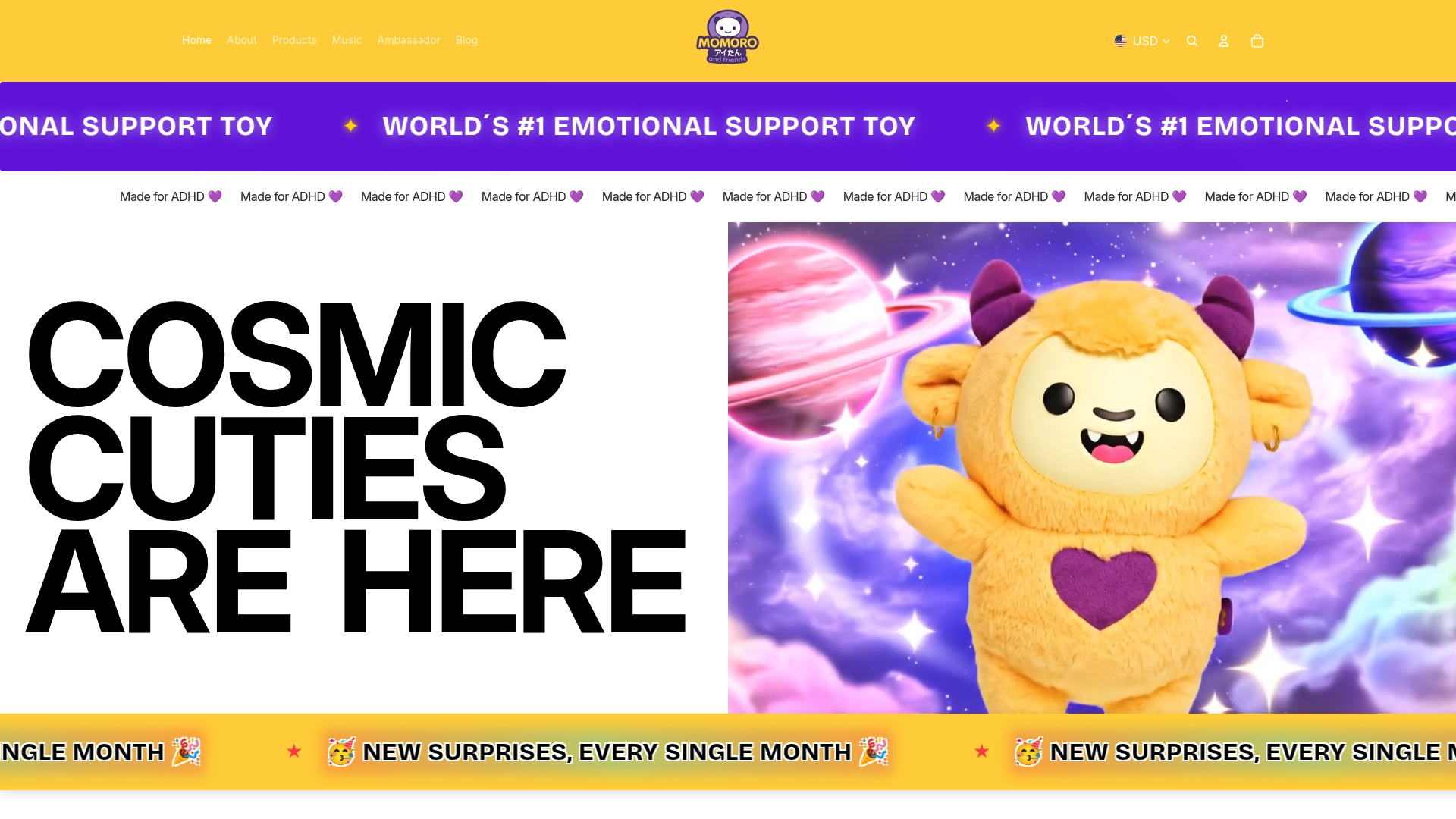
Make the choice today to bring your child a comforting companion that supports self-regulation and eases everyday stress. Find your ideal plush on the MOMORO landing page and give your child the calming connection they deserve. Embrace a blend of comfort, creativity, and technology that helps children manage anxiety with warmth and hope.
Frequently Asked Questions
How do plush toys help with anxiety in children?
Plush toys provide grounding sensory input that helps children manage anxiety by offering a soft, comforting presence. They create a calming feedback loop through touch, interrupting anxiety spirals and helping children focus on the present moment.
What types of plush toys are effective for calming anxiety?
Different types of plush toys cater to various sensory needs. Weighted plush toys provide deep pressure sensation, resistance squishies allow for squeezing and manipulation, and textured plush toys offer gentle sensory reassurance. Interactive plushies can also enhance engagement with added features.
Can plush toys be paired with other coping strategies for anxiety?
Yes, plush toys can be effective when combined with other coping strategies such as breathing exercises, talking about feelings, or using different sensory tools. This holistic approach creates a comprehensive toolkit for managing anxiety.
What should I look for when choosing a plush toy for anxiety relief?
Look for comforting textures, appropriate noise levels, and portability. Ensure the toy is durable and easy to use, and check for safety marks to guarantee it meets necessary regulations and is free from choking hazards.
Recommended
- Mental Health and Plushies – Comfort for ADHD and Anxiety – MOMORO & Friends
- 7 Smart Tips for Collecting Plush Toys for Calm Minds – MOMORO & Friends
- Plush Therapy: Calming ADHD and Anxiety in Kids – MOMORO & Friends
- Plush Manufacturing: Creating Calming Collectibles for Wellbeing – MOMORO & Friends
- What Is a Lovey and How It Comforts Babies