

Every parent faces those tense moments when daily routines unravel, especially with the added complexity of raising a child with ADHD. Finding ways to ease stress matters because unpredictable transitions can leave both parents and children feeling overwhelmed. By exploring innovative emotional support toys and engaging interactive collectibles, families in the United Kingdom can build more harmonious routines, unlocking new tools for calm and emotional regulation.
Table of Contents
- Step 1: Assess Sources Of Stress In Daily Routines
- Step 2: Set Up A Calm Zone With Interactive Collectibles
- Step 3: Introduce Calming Activities With Plush Toys
- Step 4: Monitor Mood Improvements With Monthly Digital Gifts
- Step 5: Evaluate And Adjust Strategies For Lasting Calm
Quick Summary
| Key Insight | Explanation |
|---|---|
| 1. Identify daily stress triggers | Track daily routines to pinpoint stress sources and challenging moments for better management. |
| 2. Create a calm zone at home | Designate a quiet space with soothing elements for your child to regulate emotions effectively. |
| 3. Use plush toys for therapy | Incorporate plush toys into activities for emotional comfort and sensory integration. |
| 4. Monitor emotions through tracking | Implement digital tools to keep a record of mood changes and emotional progress each month. |
| 5. Regularly review and adapt strategies | Systematically evaluate your approach to ensure it meets your child’s evolving needs. |
Step 1: Assess sources of stress in daily routines
Understanding the specific stress points in your family’s daily routine is crucial for managing ADHD challenges effectively. When children with ADHD struggle to maintain consistent schedules, parents often experience heightened anxiety and frustration.
To systematically assess your stress sources, begin by tracking daily interactions and noting recurring challenging moments. Key triggers for parental stress typically emerge during predictable transition periods:
- Morning preparations before school
- Homework and study times
- Bedtime routines
- Meal preparation and eating times
- Household chore expectations
Carefully documenting these interactions provides invaluable insight into potential intervention strategies. Consider creating a simple journal or spreadsheet to record:
Here is a summary of common stress points and possible intervention ideas for families managing ADHD:
| Stress Point | Why It’s Challenging | Intervention Idea |
|---|---|---|
| Morning routine | Time pressure and distractions | Visual schedules or checklists |
| Homework time | Focus and motivation issues | Break tasks into small steps |
| Bedtime routine | Resistance to winding down | Calming sensory activities |
| Mealtimes | Sensory or impulsivity issues | Offer choices and routines |
| Chores and responsibilities | Task initiation struggles | Use reward-based charts |
- Specific tasks that cause tension
- Child’s emotional response
- Your emotional reaction
- Duration of challenging interaction
Recognising stress patterns is the first step towards developing effective coping mechanisms.
By understanding these dynamics, you can proactively design strategies that reduce friction and create more harmonious daily experiences. Consistent routines help manage ADHD symptoms by providing predictability and structure for both parent and child.
Pro tip: Consider using a visual mood tracking chart to help both you and your child identify and understand emotional triggers more objectively.
Step 2: Set up a calm zone with interactive collectibles
Creating a dedicated calm zone in your home can provide a powerful sanctuary for children with ADHD, offering a structured environment where they can regulate emotions and find comfort. Interactive collectible zones serve as more than just play spaces - they become therapeutic retreats designed to support emotional wellbeing.
To design an effective calm zone, consider these essential elements:
- Soft, comfortable seating like bean bags or cushions
- Neutral, soothing colour palette
- Low sensory stimulation
- Dedicated space for interactive collectibles
- Organised storage for emotional support toys
When positioning your calm zone, select a quiet area away from high-traffic household spaces. Ensure the space feels safe and contained, with clear boundaries that signal to your child this is a special area for emotional regulation.
A well-designed calm zone becomes a personal retreat where your child can process emotions and find comfort.
Incorporate interactive collectibles strategically to enhance the zone’s therapeutic potential. These special toys can serve as emotional anchors, helping your child transition between different emotional states and providing consistent, comforting support.
- Choose collectibles with soft textures
- Select items with calming colours
- Involve your child in zone design
- Rotate collectibles to maintain interest
The goal is creating a predictable, nurturing environment that feels both exciting and secure.
Pro tip: Consider adding a small journal or emotion chart near the collectibles to help your child track and communicate their feelings more effectively.

Step 3: Introduce calming activities with plush toys
Plush toys offer a powerful therapeutic tool for children with ADHD, providing sensory comfort and emotional regulation through gentle, interactive experiences. Tactile calming activities can transform how your child manages stress and emotional overwhelm.
Consider implementing these calming plush toy activities:
- Gentle squeezing exercises
- Rhythmic hugging interactions
- Sensory exploration through texture
- Emotional storytelling with plush characters
- Breathing meditation using plush as focus point
When selecting plush toys for calming activities, prioritise soft, weighted options that provide deep pressure stimulation. These toys can help ground your child during moments of heightened anxiety or sensory overload.
Plush toys are more than just playthings - they’re emotional regulation tools that speak a language of comfort.
Structure your activities with clear, predictable steps:
- Choose a quiet, comfortable space
- Introduce the plush toy gently
- Guide your child through slow, deliberate interactions
- Observe and validate their emotional responses
- Practice consistent, short sessions
Interactive collectibles can be particularly effective, offering both sensory input and emotional connection. Plush toys designed for anxiety relief can provide a tangible method for emotional self-regulation.
Pro tip: Create a small ritual around plush toy interactions to help your child develop a predictable, calming routine that feels safe and nurturing.
Step 4: Monitor mood improvements with monthly digital gifts
Tracking emotional progress can transform how you understand and support your child’s ADHD journey. Digital mood monitoring tools offer an innovative approach to understanding your child’s emotional landscape.
Consider implementing these digital tracking strategies:
- Create a monthly mood journal
- Use interactive digital tracking platforms
- Establish consistent check-in times
- Involve your child in the tracking process
- Reward positive emotional awareness
When selecting a digital tracking method, prioritise user-friendly and engaging platforms that motivate your child to participate actively. These tools should feel like a fun activity rather than a clinical assessment.
Consistent tracking transforms emotional management from a challenge into an empowering journey of self-discovery.
Develop a structured approach to monitoring:
- Choose a digital platform with child-friendly interface
- Set regular tracking intervals
- Use visual representation of mood changes
- Discuss insights together
- Adjust strategies based on tracked data
Interactive digital gifts can serve as additional motivation, making the tracking process more exciting and meaningful for your child.
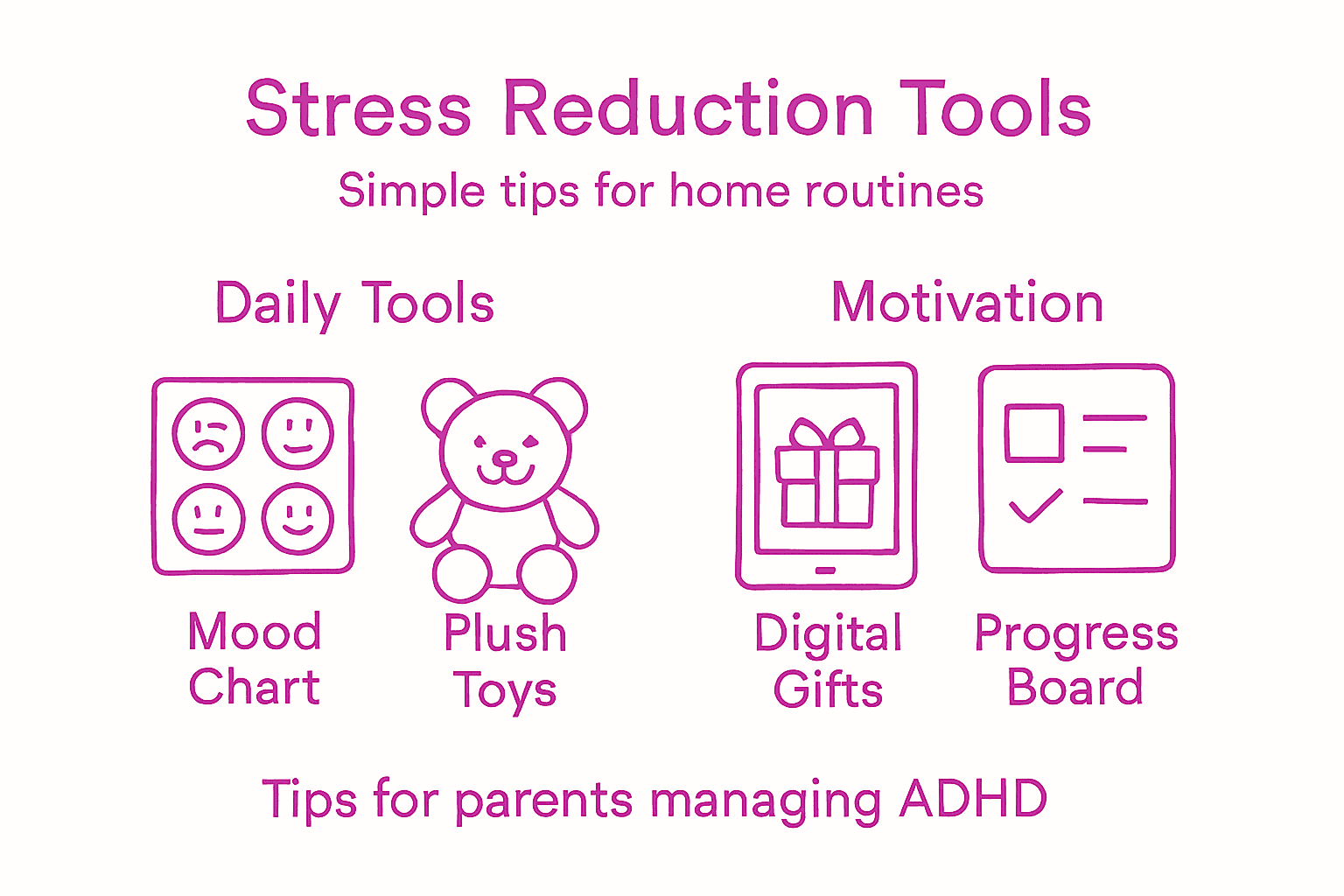
The following table compares popular tools for tracking emotional progress in children with ADHD:
| Tool Type | Engagement Level | Parental Involvement |
|---|---|---|
| Paper mood journal | Moderate – personal | Requires daily support |
| Digital app | High – interactive | Shared access, easy review |
| Visual wall chart | Moderate – visible | Family can contribute |
| Verbal check-in | Variable – flexible | Needs consistent reminders |
Pro tip: Create a small celebration ritual for emotional awareness milestones to reinforce positive tracking habits.
Step 5: Evaluate and adjust strategies for lasting calm
Navigating ADHD support requires ongoing reflection and flexible adaptation. Continuous strategy refinement ensures your approach remains responsive to your child’s evolving needs.
Key areas for systematic evaluation include:
- Emotional regulation techniques
- Communication patterns
- Daily routine effectiveness
- Stress management approaches
- Sensory intervention strategies
Develop a structured assessment framework that allows honest, compassionate review of what’s working and what needs adjustment. Tracking progress isn’t about perfection but understanding your child’s unique journey.
Successful ADHD support is less about rigid rules and more about responsive, loving adaptation.
Implement a comprehensive review process:
- Document current strategies
- Track emotional and behavioural responses
- Schedule monthly family discussions
- Be open to experimental approaches
- Celebrate incremental improvements
Remember that adapting ADHD strategies is a collaborative process involving your entire family ecosystem.
Pro tip: Create a visual progress board that allows both you and your child to see and celebrate emotional growth milestones.
Find Calm and Connection with MOMORO & FRIENDS for ADHD Support
Parents navigating the daily stresses of raising children with ADHD understand the challenge of creating peaceful routines and emotional balance. This guide highlights the importance of calm zones, tactile comfort, and consistent mood tracking as keys to reducing stress for both parent and child. MOMORO & FRIENDS offers an innovative solution aligned with these needs by combining soft, interactive collectibles with monthly digital gifts that gently support emotional regulation and create positive ritual moments.

Experience how the world’s first NFC-enabled plush can transform your child’s calm space into a nurturing retreat. Each limited-edition MOMORO visualises comfort, creativity, and technology to help ease anxiety and build lasting calming routines. Discover how these thoughtful collectibles can be part of your home strategy by visiting MOMORO Store today. Take the next step towards stress reduction and celebrate small emotional victories together with MOMORO & FRIENDS interactive collectibles designed for families seeking calm and connection.
Frequently Asked Questions
How can I identify stress points in my routine as a parent of a child with ADHD?
Recognise stress points by tracking daily interactions and noting moments of difficulty. Document specific tasks that generate tension, such as morning routines and homework times, to identify patterns within three weeks.
What are some effective interventions for managing my child’s ADHD-related stress?
Consider implementing visual schedules and breaking tasks into smaller steps. Introduce calm zones with interactive collectibles to create a secure space for emotional regulation over the next month.
How can I create a calm zone at home for my ADHD child?
Design a calm zone by selecting a quiet area with soft seating, soothing colours, and minimal distractions. Involve your child in deciding what interactive collectibles to include, ensuring the space feels comfortable and inviting within two weeks.
What types of calming activities can I incorporate using plush toys?
Introduce activities like gentle squeezing exercises, rhythmic hugging, and storytelling with plush toys to help your child regulate emotions. Aim for short, consistent sessions of about 5-10 minutes daily to encourage relaxation and focus.
How should I track my child’s emotional progress over time?
Maintain a monthly mood journal or use a digital tool to record emotional changes and insights. Schedule regular check-ins to discuss feelings together, aiming to adjust strategies based on tracked data approximately every month.
What modifications should I consider for my stress management strategies?
Evaluate your current strategies by documenting emotional responses and assessing communication patterns regularly. Aim to hold monthly family discussions to address what works and what needs tweaking for ongoing support.
Recommended
- How to Handle Emotional Dysregulation with Calm Strategies – MOMORO & Friends
- ADHD Guide 2026: Understanding and Managing Symptoms – MOMORO & Friends
- Weighted Plush Benefits Guide for ADHD and Anxiety Relief – MOMORO & Friends
- How to Introduce Sensory Toys for Calmer, Happier Kids – MOMORO & Friends
- 7 Ways Ergonomic Phone Holders Help Parents Multitask – StudioShake