

Finding ways to help ADHD children thrive can feel challenging, especially when traditional classroom methods fall short. Many British families are discovering that plush toys serve as powerful educational tools by promoting language development, emotional growth, and cognitive skills through play. This guide explores how collectible plush companions not only bring comfort but also spark learning, offering a fresh approach to supporting your child’s relaxation, focus, and overall wellbeing.
Table of Contents
- Core Educational Role Of Plush Toys
- Types And Features For ADHD Children
- Sensory Benefits And Emotional Regulation
- Interactive Technology Enhancing Engagement
- Supporting Focus And Learning Development
- Choosing Safe And Effective Plush Toys
Key Takeaways
| Point | Details |
|---|---|
| Plush Toys as Educational Tools | Plush toys facilitate cognitive development through imaginative play, enhancing language skills, emotional growth, and problem-solving abilities in children, especially those with ADHD. |
| ADHD-Specific Benefits | For children with ADHD, plush toys provide emotional support and help regulate focus by channeling energy into imaginative play, thereby creating a calming learning environment. |
| Choosing the Right Plush Toys | Select plush toys with sensory-friendly features, such as varied textures and weights, to meet the specific needs of children with ADHD while ensuring safety and durability. |
| Interactive Technology Integration | Combining plush toys with interactive technology can boost engagement and learning motivation in children with ADHD by providing multisensory experiences that reinforce focus and confidence. |
Core educational role of plush toys
Plush toys aren’t just cuddly companions sitting on a shelf. They’re genuinely useful tools for how children learn and develop. When kids interact with plush toys through play, they’re actually building crucial cognitive pathways without realising it. Imaginative play with these tactile objects stimulates problem-solving, language development, and social skills in ways that more formal learning structures sometimes miss. Think about it: a child creating stories with their plush toy is practising narrative construction, vocabulary expansion, and emotional processing all at once. Plush toys serve as powerful educational tools by enhancing language skills, emotional development, and cognitive abilities through interactive play and storytelling, making them far more valuable than many parents initially recognise.
For children with ADHD specifically, plush toys offer something particularly valuable: they become anchors for focus and expression. These toys create a safe space where a child can slow down, engage their imagination, and channel restless energy into creative narratives. Role-playing scenarios with plush toys helps children understand cause and effect, practise social interactions, and work through emotions that might otherwise remain bottled up. The tactile comfort combined with imaginative engagement creates a learning environment where the child’s brain feels calm enough to actually absorb information. Rather than fighting against their ADHD nature, the toy works with how their mind actually operates.
What makes this especially powerful is how the educational benefits happen naturally through play rather than feeling like structured learning. A child isn’t sitting at a desk completing worksheets; they’re having fun whilst simultaneously developing critical thinking, empathy, and communication skills. For how plush therapy supports ADHD and anxiety, the educational component is woven into the comfort itself. The toy becomes both a learning tool and an emotional regulator, which is precisely what many ADHD children need: support that doesn’t feel like work.
Pro tip: Encourage your child to narrate their play with their plush toy aloud, creating stories as they go. This verbal storytelling amplifies the educational benefits by actively developing language skills, vocabulary, and narrative thinking whilst keeping them engaged and calm.
Types and features for ADHD children
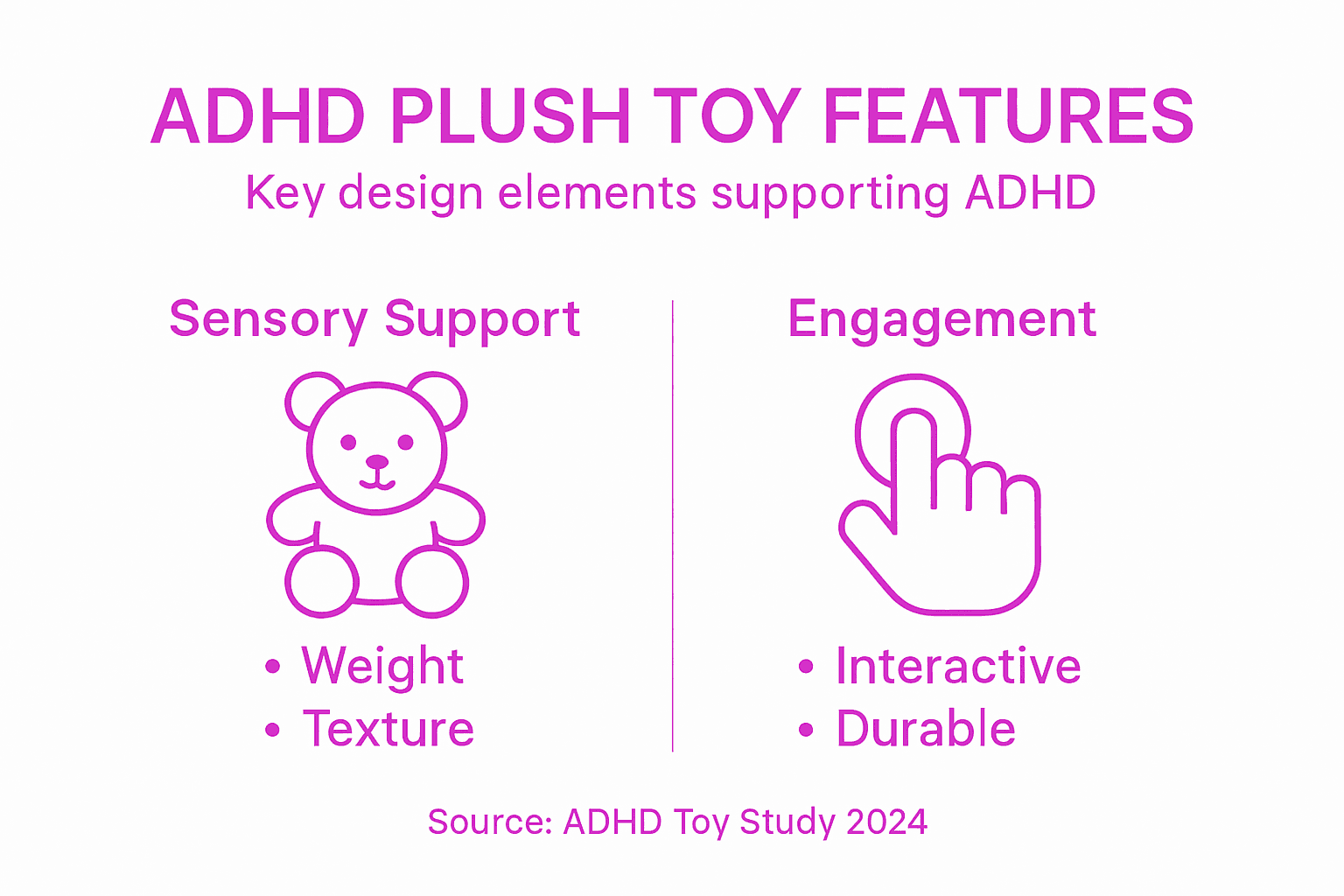
Not all plush toys are created equal when it comes to supporting ADHD. The ones that work best have specific design features that actually address how ADHD brains function. Sensory-friendly materials matter hugely. A plush toy with varied textures, gentle pressure points, and tactile feedback gives children something meaningful to interact with rather than just cuddle passively. Look for toys with different fabric sections, perhaps a smoother side and a slightly textured side, as this variety keeps the sensory experience engaging without being overwhelming. Some toys incorporate subtle fidget elements like ears that can be gently moved or surfaces that invite gentle rubbing, which helps channel that restless energy into something soothing. Toys designed for ADHD incorporate features supporting sensory integration, balance, and focus ability training, making them far more effective than standard plush toys for children with attention challenges.
The weight and size of a plush toy also play an important role in ADHD support. Weighted plush toys provide deep pressure stimulation, which helps calm the nervous system and improve focus. Many children with ADHD find that holding a weighted toy whilst doing homework or during challenging moments makes a noticeable difference in their ability to concentrate. The weight creates a grounding sensation, almost like a gentle hug that reminds the body to slow down. Size matters too. A toy that’s easy to hold and transport, not so large that it becomes impractical, allows your child to have their comforting companion at school, during appointments, or wherever they need emotional support.
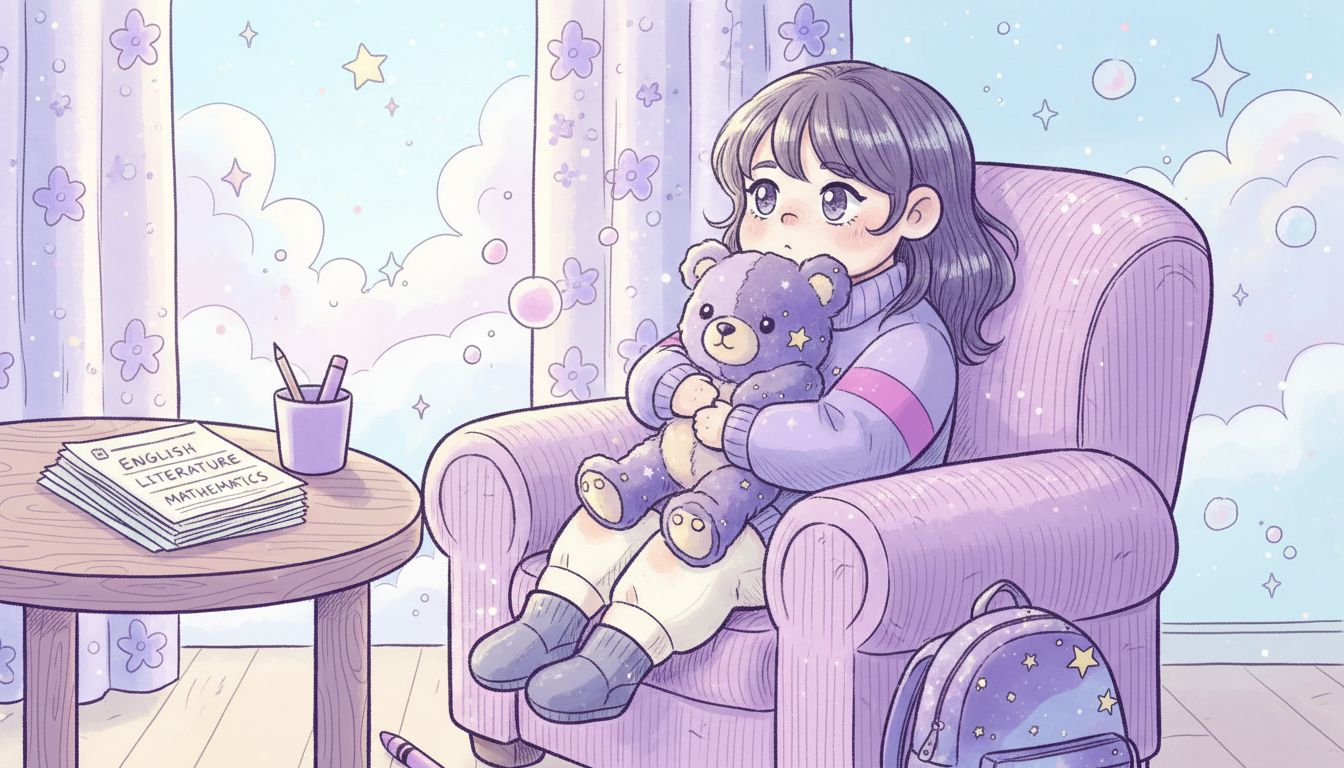
Interactive features add another dimension to educational value. Toys with built-in engagement mechanisms, like ones that respond to touch or provide feedback, help maintain focus through positive reinforcement. Some modern plush toys, like MOMORO and Friends collectibles, combine traditional tactile comfort with NFC technology that unlocks digital experiences, creating a multi-sensory learning tool that appeals to today’s children. This blend of physical comfort and digital interaction keeps children engaged whilst supporting their emotional regulation. The key is finding toys that feel intuitive to use without requiring complicated instructions that might frustrate an ADHD child.
When selecting plush toys, prioritise safety and durability. Toys for ADHD children need secure stitching, non-toxic materials, and no small parts that could become choking hazards if they get pulled off during anxious fidgeting. Consider how easy the toy is to clean as well, since children often carry them everywhere and they’ll need regular washing.
Here is a summary of plush toy features and their benefits for ADHD children:
| Plush Toy Feature | Sensory Benefit | Emotional Impact | Educational Advantage |
|---|---|---|---|
| Weighted body | Calms nervous system | Reduces anxiety | Improves concentration |
| Varied textures | Engages tactile sense | Comforts during stress | Stimulates problem-solving |
| Fidget elements (ears, tails) | Channels restless energy | Soothes during overwhelm | Supports focus training |
| Interactive digital feedback | Provides multisensory input | Creates anticipation | Enhances learning motivation |
| Secure stitching & non-toxic fabric | Safe for intense use | Builds trust in object | Ensures long-term usability |
Pro tip: Choose plush toys with a mix of textures and subtle fidget features rather than toys designed as pure fidgets, as this combination keeps children engaged educationally whilst providing the sensory input ADHD minds crave.
Sensory benefits and emotional regulation
Here’s where plush toys get genuinely interesting for ADHD support. Kids with ADHD often struggle with sensory processing. Their nervous systems either crave sensory input or find it overwhelming, sometimes both at different times. Sensory toys aid children with ADHD by providing essential feedback that helps regulate these processing challenges, whether the child needs more stimulation to feel grounded or needs soothing to calm an overloaded system. A well-designed plush toy becomes like a personal sensory toolkit. When your child is bouncing off the walls with restless energy, the toy gives their hands something to do, their skin something to feel, and their brain something to focus on. That tactile engagement actually reduces the urge to fidget in disruptive ways because their sensory needs are being met.
Emotional regulation is where the magic really happens though. ADHD children often experience intense emotions that can feel overwhelming and confusing. They might struggle to express what they’re feeling or understand why they’re feeling it. A trusted plush toy becomes a safe anchor during these moments. Holding something soft and familiar whilst experiencing big emotions helps ground them in the present moment. The physical comfort combined with the familiarity of their special toy signals safety to their nervous system. It’s not about the toy magically fixing their emotions, but rather giving them a tool to regulate themselves whilst the intensity passes. Over time, children learn to recognise this feeling of calm and begin to self-regulate more effectively. They’re building emotional skills whilst being gently supported.
The stress reduction aspect shouldn’t be underestimated either. ADHD children face constant challenges throughout their day, from managing attention demands to navigating social situations. This chronic stress wears on their nervous systems. When they hold a plush toy, their body can actually relax. Their breathing slows, their muscles release tension, and their racing thoughts quiet slightly. This physiological shift creates space for learning to happen. It’s why children often perform better in classrooms where they’re allowed comfort objects. The toy isn’t a distraction. It’s the opposite. It removes the distraction of their anxious nervous system so they can actually focus on the task at hand.
Pro tip: Let your child choose their own plush toy rather than selecting one for them, as the emotional connection and feeling of agency make the sensory regulation benefits far more powerful.
Interactive technology enhancing engagement
Traditional plush toys are brilliant, but blending them with interactive technology creates something genuinely different for ADHD support. Technology isn’t the enemy here, not gonna lie. When designed thoughtfully, it can transform how children engage with their comfort objects. Smart educational toys use intelligent interactive features to engage children with ADHD effectively, including emotional interaction and feedback systems tailored to meet their developmental needs. Interactive plush toys work because they combine sensory comfort with mental stimulation. A child gets the tactile warmth of holding something soft whilst simultaneously experiencing responsive feedback that keeps their brain engaged. This dual engagement is particularly valuable for ADHD minds that struggle when bored but flourish when appropriately challenged.
The mechanism matters though. The best interactive features aren’t flashy distractions. They’re subtle engagement tools that reward attention without overwhelming the child. Think NFC technology embedded in a plush toy that unlocks digital experiences when tapped, or gentle LED indicators that respond to touch. These features create a feedback loop where the child’s actions directly influence what happens next, which strengthens focus and motivation. For ADHD children who often struggle with delayed gratification and motivation, immediate feedback makes learning feel rewarding. It’s not about gaming mechanics in the traditional sense. It’s about creating responsive interactions that make the child feel heard and engaged. When a toy responds to your child’s touch or interaction, it reinforces that their actions matter, which builds confidence and encourages continued engagement with learning.
The collectible aspect adds another psychological layer. Many children find motivation in collecting items, building sets, or unlocking new digital content monthly. This creates sustained interest beyond the initial novelty. A plush toy that provides ongoing digital rewards each month gives children something to look forward to, building routine and anticipation. For ADHD children who struggle with sustained motivation, this regular cycle of new content or unlockable digital gifts keeps the toy feeling fresh and relevant. The combination of physical comfort, interactive features, and digital engagement creates a multi-sensory learning environment that actually aligns with how ADHD brains work best.
Compare traditional plush toys with interactive plush toys for ADHD support:
| Aspect | Traditional Plush Toy | Interactive Plush Toy |
|---|---|---|
| Sensory engagement | Basic tactile comfort | Multisensory experiences |
| Feedback | Passive (no response) | Responsive (touch, sound, light) |
| Motivation | Relies on emotional comfort | Sustained by ongoing interactions |
| Learning potential | Supports calm and focus | Promotes active engagement |
| Suitability | Good for single environment | Effective in varied settings |
Pro tip: Introduce interactive features gradually rather than overwhelming your child with all capabilities at once, allowing them to discover and explore features at their own pace, which builds confidence and maintains sustained engagement.
Supporting focus and learning development
Focus is the real challenge for ADHD children, and it’s where plush toys genuinely make a difference. When a child is anxious or restless, their brain literally can’t settle enough to learn. A comfortable plush toy provides what’s called proprioceptive input, which basically means it gives the body feedback about where it is in space. This grounding effect calms the nervous system just enough that the child’s brain can actually engage with learning tasks. It’s not magic. It’s neuroscience. When anxiety levels drop, cognitive capacity increases. Toy designs that incorporate feedback mechanisms can improve concentration and learning effectiveness in ADHD students, helping children maintain focus whilst managing symptoms like inattention. The key is that the toy works quietly in the background, supporting attention without being the focus itself.
What makes this particularly effective is how plush toys avoid the distraction trap that some fidget tools create. Not all fidget devices help with learning. Some actually make things worse by drawing too much attention. A well-designed plush toy, though, sits in your child’s lap or hands and provides subtle sensory feedback through gentle textures and weight. Your child’s hands stay occupied with something calming rather than something demanding. The difference is significant. Their brain isn’t fighting itself. Instead of the internal battle between restlessness and the need to focus, the toy channels that restless energy into something productive. Over time, this repeated pairing of calm focus with the toy helps your child build stronger attention skills. They’re literally training their brain through repeated successful focus experiences.
The learning development side goes deeper than just focusing on one task. When children feel supported and calm, they’re actually more willing to attempt challenging work. ADHD children often avoid tasks that feel difficult because the anxiety of struggling triggers their avoidance response. But with a familiar comfort object present, they feel braver. They’re more likely to persist when something is hard, more willing to ask for help, and more capable of celebrating small wins. This builds genuine confidence over time. They start believing they can learn, not just that they have to learn. That psychological shift is massive for long-term educational success.
Pro tip: Introduce the plush toy during calm, focused moments first, so your child develops a positive association between the toy and successful concentration before using it during challenging academic tasks.
Choosing safe and effective plush toys
Not every plush toy on the market is genuinely suitable for ADHD support. Safety and effectiveness matter hugely, and there are specific things worth checking before you buy. Start with the basics: materials. Look for toys made from non-toxic, hypoallergenic fabrics that won’t irritate sensitive skin. Many ADHD children have sensory sensitivities, so the last thing you need is a toy that causes physical discomfort. Check for proper safety certifications, particularly CE marking in the United Kingdom, which confirms the toy meets safety standards. Stitching should be secure and tight so nothing comes loose if your child fidgets with it intensely. Small parts are a no-go for younger children, even if the packaging says age-appropriate. Kids with ADHD sometimes process objects differently, pulling and tugging more vigorously than their peers.
Sensory appropriateness is equally critical. Effective plush toys for ADHD should provide appropriate sensory feedback without causing sensory overload, needing to be durable and designed to aid in stress relief. The texture matters. Some children crave smooth fabrics whilst others need texture variety. Weight distribution also plays a role. A toy that’s too light won’t provide the grounding sensation ADHD children need. One that’s too heavy becomes uncomfortable to hold for extended periods. Aim for something in the middle, with perhaps subtle weighted elements in the body but not so much that it becomes a burden. Consider also how easy the toy is to clean. ADHD children carry their plush companions everywhere, and they need regular washing to maintain hygiene without losing their comforting properties.
Think about your individual child’s needs. Does your child respond better to smooth textures or varied textures? Do they prefer cooler fabrics or warmer ones? Do they like subtle fidget elements or pure comfort? Choosing safe and effective plush toys involves considering sensory integration benefits and developmental appropriateness tailored to your child’s specific profile. If possible, let your child interact with potential toys before committing. Some children will gravitate naturally towards what works for them. Watch for signs of genuine engagement rather than just passive acceptance. The best toy is one your child actually wants to hold and interact with, not one that sits unused because it doesn’t match their sensory preferences. Limited edition collectibles, like MOMORO and Friends, offer the added benefit of authenticity and quality assurance designed specifically for children requiring reliable emotional support tools.
Pro tip: Start by asking your child what textures, colours, and weights appeal to them before shopping, then match those preferences when selecting a plush toy to ensure genuine connection and consistent use.
Discover Plush Toys That Truly Support ADHD Learning and Emotional Growth
The article highlights the challenge of finding plush toys that not only comfort but actively support children with ADHD by combining sensory benefits, emotional regulation, and engaging educational features. Many parents seek toys that provide genuine grounding and focus aids without overwhelming their child’s nervous system. MOMORO & FRIENDS harness these principles with thoughtfully designed Japanese-inspired plush toys that balance tactile comfort and interactive technology to meet these specific needs.
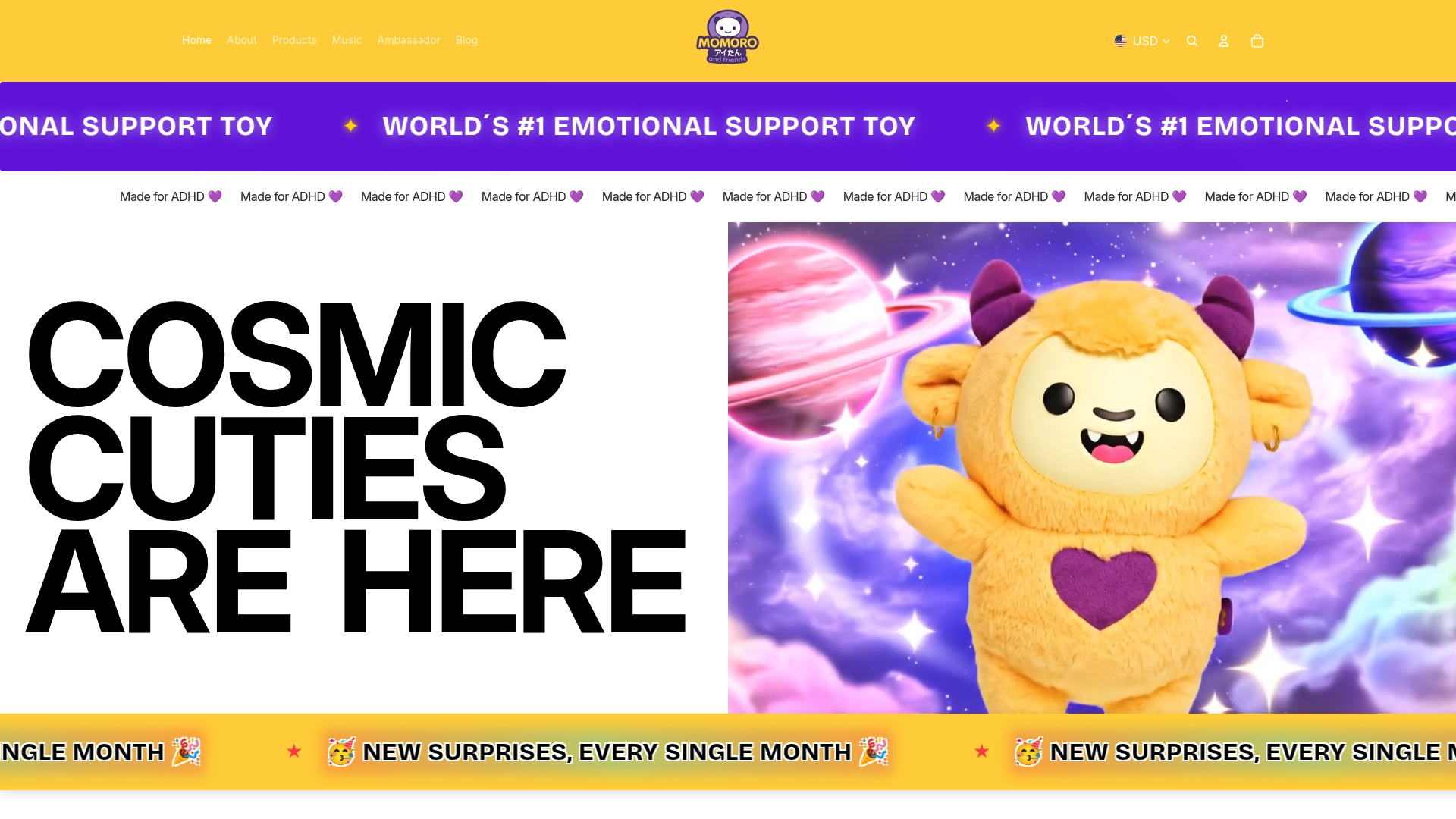
Explore our exclusive collection at Shop Japanese-Inspired Plush Toys for ADHD & Anxiety – MOMORO & Friends where each limited edition plush offers weighted bodies, varied textures, subtle fidget elements, and NFC-enabled digital experiences that enhance learning and calm. Act now to give your child the unique combination of creativity, comfort, and focus support they deserve. Visit https://momoro.store to find the perfect companion that turns everyday challenges into moments of calm and growth.
Frequently Asked Questions
What benefits do plush toys offer for children with ADHD?
Plush toys provide emotional support, sensory engagement, and help improve focus by providing calming proprioceptive input. They can assist children in developing emotional regulation, problem-solving skills, and social interactions through imaginative play.
How do I choose the right plush toy for my child with ADHD?
Look for plush toys made from non-toxic, hypoallergenic materials with varied textures and possibly weighted elements. Ensure the toys are durable, safe, and easy to clean. Consider your child’s sensory preferences, as individual needs can vary greatly.
Can interactive plush toys improve engagement for children with ADHD?
Yes, interactive plush toys that incorporate technology can enhance engagement by providing immediate feedback and creating multisensory experiences. These toys can help sustain attention and foster positive learning experiences, as they combine tactile comfort with mental stimulation.
How can plush toys support emotional regulation in children with ADHD?
Plush toys serve as a comforting anchor during distressing moments, providing a sense of safety and familiarity. They help children express feelings, focus on calming their nervous systems, and develop self-regulation skills over time, making it easier for them to manage intense emotions.