

Bedtime stress is a nightly challenge for many young professionals with ADHD, often fueled by racing thoughts, restlessness, and the overwhelming pull to stay awake. If you find yourself delaying sleep to reclaim personal time or struggling to wind down after a stimulating day, you’re not alone. 50 to 70% of adults with ADHD experience sleep difficulties linked to bedtime procrastination and hyperarousal. This guide offers tailored strategies to build calming routines and environments that ease stress and promote better sleep. Applying these methods can improve your emotional regulation and daily functioning.
Table of Contents
- Understanding Bedtime Stress In ADHD
- Prerequisites: What You Need Before Starting
- Establishing A Calming Bedtime Routine
- Creating A Calming Sleep Environment
- Mindfulness And Relaxation Techniques
- Common Mistakes And Troubleshooting
- Expected Results And Outcomes
- Discover MOMORO & Friends: Comfort Plush For ADHD Support
- Frequently Asked Questions
Key Takeaways
| Point | Details |
|---|---|
| ADHD bedtime stress | Bedtime procrastination and hyperarousal cause sleep issues in 50 to 70% of adults with ADHD. |
| Routine consistency | Setting a fixed bedtime alarm and following a wind down routine reduces sleep onset delays. |
| Sensory support | Weighted blankets increase serotonin and melatonin while lowering stress hormones to aid sleep. |
| Screen and caffeine timing | Avoiding screens 60 minutes before bed and limiting caffeine after early afternoon enhances routine effectiveness. |
| Timeline for results | 60% of ADHD adults report measurable sleep improvements within 2 to 4 weeks of consistent routines. |
Understanding Bedtime Stress in ADHD
Bedtime stress in ADHD stems from unique neurological and behavioral patterns that make the transition from wakefulness to sleep particularly challenging. Your ADHD brain craves stimulation, making it hard to shift gears when the day winds down. This often leads to revenge bedtime procrastination, where you delay sleep to reclaim personal time after a demanding day.
ADHD adults frequently experience delayed melatonin release and increased evening hyperarousal, which keeps the brain alert when it should be calming. These biological factors combine with executive function challenges to create a perfect storm for sleep difficulties. Understanding these ADHD specific mechanisms helps you recognize why typical sleep advice often falls short.
About 50 to 70% of adults with ADHD report significant sleep difficulties tied to these factors. Recognizing the root causes empowers you to tailor effective routine and environmental changes. The strategies in this guide address these unique challenges head on.
Key ADHD bedtime stress factors include:
- Difficulty transitioning from stimulating activities to rest
- Delayed melatonin production and circadian rhythm shifts
- Executive dysfunction affecting sleep initiation routines
- Heightened sensitivity to environmental stimuli
- Racing thoughts and emotional dysregulation at night
Prerequisites: What You Need Before Starting
Before implementing new bedtime strategies, you need the right mindset and environment. Success begins with commitment to consistent sleep and wake times, even on weekends. Your ADHD brain thrives on predictability, so establishing a regular schedule is foundational.
Prepare a calm, low stimulation sleep area with appropriate lighting and noise control. This means assessing your bedroom for potential distractions and making adjustments before you start new routines. Blackout curtains, comfortable bedding, and temperature control are non negotiable.
Have access to mindfulness tools or CBT apps to support emotional regulation. Many free and paid options exist, so choose what resonates with you. Digital tools can provide structure and reminders when your executive function falters.
Willingness to adopt and maintain new routines is key to success. Change takes time, especially with ADHD. Be patient with yourself as you build new habits.
Essential preparations include:
- Commitment to consistent sleep and wake times daily
- A bedroom environment optimized for calm and low stimulation
- Access to mindfulness apps, guided meditations, or CBT resources
- External reminders like alarms or phone notifications
- Realistic expectations about the time needed to see results
Establishing a Calming Bedtime Routine
A predictable wind down routine signals your ADHD brain that it’s time to transition to sleep. Setting a fixed bedtime alarm to start your wind down period is one of the most effective interventions. This external cue compensates for poor internal time awareness common in ADHD.
Your routine should include relaxing activities that actively reduce arousal rather than merely avoiding stimulation. Gentle stretching, reading low stimulation materials, or listening to calming music all work well. Avoid tasks that require problem solving or emotional engagement.
Screens and stimulating tasks must stop at least 60 minutes before bedtime. Blue light suppresses melatonin production, and engaging content keeps your mind active. Replace screen time with analog activities that promote relaxation.
Develop strong mental cues associating routine activities with relaxation and sleep readiness. Over time, your brain will learn to initiate the relaxation response automatically when you begin your routine. Consistency is everything.
Pro Tip: Use external reminders or apps to maintain routine consistency. Set multiple alarms for each step of your wind down if needed. Your phone can be your ally when used intentionally.
Step by step calming routine:
- Set a bedtime alarm for the same time every night to signal wind down start
- Dim lights throughout your home to encourage melatonin production
- Complete hygiene tasks like brushing teeth and washing face
- Engage in 10 to 15 minutes of gentle stretching or yoga
- Read a calming book or listen to soothing audio for 20 to 30 minutes
- Practice brief mindfulness or breathing exercises before getting into bed
- Use digital tools for ADHD bedtime support to track adherence and receive reminders
Creating a Calming Sleep Environment
Your sleep environment directly impacts your ability to relax and maintain sleep. Sensory input that neurotypical brains filter out can keep your ADHD mind alert and restless. Strategic environmental modifications reduce hyperarousal and promote physiological calm.
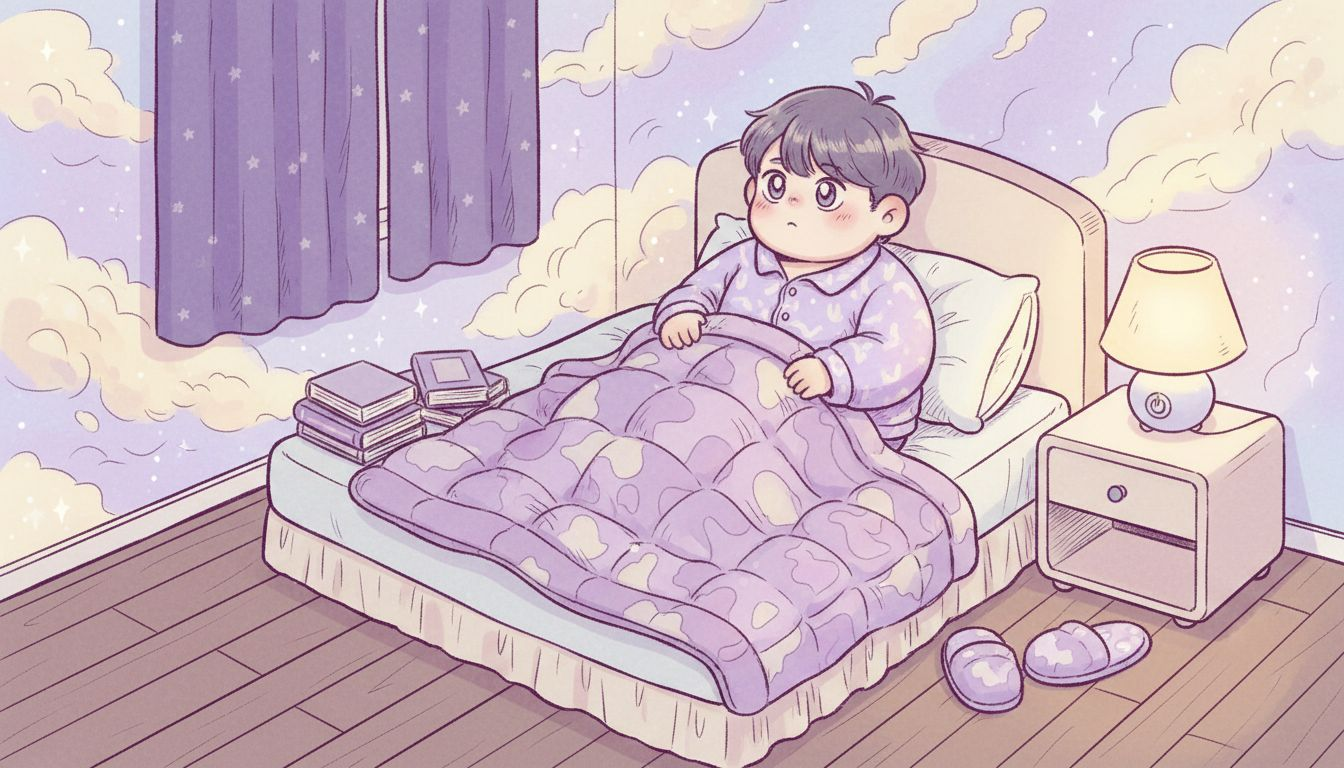
Blackout curtains block external light sources that disrupt melatonin production. Even small amounts of light can interfere with sleep quality, so complete darkness is ideal. If blackout curtains aren’t possible, a comfortable sleep mask works well.
White noise machines mask disruptive sounds and provide consistent auditory input that many ADHD brains find soothing. Choose sounds that feel calming rather than stimulating. Ocean waves, rainfall, or brown noise are popular choices.
Weighted blankets provide deep pressure stimulation that reduces anxiety and increases sleep promoting hormones. The gentle, consistent pressure activates your parasympathetic nervous system, signaling safety and relaxation. Most adults benefit from blankets that are 10% of their body weight.
Maintain a comfortable room temperature between 15 to 19 degrees Celsius and reduce clutter to minimize sensory overload. A cooler room promotes better sleep, while visual clutter can create mental noise that interferes with relaxation.
Limit late caffeine intake and heavy meals to support physiological calm. Caffeine has a half life of 5 to 6 hours, so afternoon coffee can still affect bedtime. Heavy meals require digestion that competes with sleep processes.
Pro Tip: Compare weighted blankets, white noise machines, and blackout curtains to determine which interventions offer the best return on investment for your specific sensory needs. Many people find combining all three most effective.
| Environmental Tool | Primary Benefit | Best For | Approximate Cost |
|---|---|---|---|
| Weighted Blanket | Deep pressure stimulation increases serotonin and melatonin | Anxiety, restlessness, difficulty staying asleep | £50 to £150 |
| White Noise Machine | Masks disruptive sounds and provides consistent auditory input | Light sleepers, urban environments, racing thoughts | £20 to £80 |
| Blackout Curtains | Blocks external light to support melatonin production | Light sensitivity, early sunrise, street lights | £30 to £100 |
| Temperature Control | Cooler temps promote natural sleep onset | Overheating, night sweats, comfort regulation | Variable |
Explore sensory supporting tools for ADHD to enhance your environmental setup.
Mindfulness and Relaxation Techniques
Mental and emotional tools complement environmental changes by directly addressing racing thoughts and hyperarousal. Guided meditations or yoga nidra trigger the relaxation response, shifting your nervous system from sympathetic to parasympathetic dominance. Guided bedtime meditations and yoga nidra help reduce hyperarousal and improve sleep quality.
Progressive muscle relaxation and body scanning techniques reduce physical tension you may not consciously notice. Start at your toes and systematically tense then release each muscle group. This practice increases body awareness and promotes deep relaxation.
Mindfulness based cognitive therapy for insomnia, known as CBT I, addresses the thought patterns and behaviors that perpetuate sleep difficulties. This evidence based approach is particularly effective for ADHD related insomnia. Consider working with a therapist trained in CBT I if self guided efforts prove insufficient.
These techniques reduce racing thoughts and nighttime anxiety that keep you awake. They provide an anchor for your wandering attention and interrupt rumination cycles. Consistent practice yields better results than sporadic use.
Combine mental techniques with your established environmental and routine strategies for enhanced effectiveness. Each element reinforces the others, creating a comprehensive sleep hygiene system.
Effective relaxation practices:
- Guided meditations using apps or audio recordings
- Yoga nidra for deep relaxation without traditional meditation
- Progressive muscle relaxation moving from toes to head
- Body scan meditations to increase somatic awareness
- Breathing exercises like 4 7 8 breathing or box breathing
- Mindfulness based cognitive therapy techniques for intrusive thoughts
Integrate emotional regulation strategies for ADHD into your nightly practice.
Common Mistakes and Troubleshooting
Even well intentioned efforts can falter if you fall into predictable traps. Inconsistent routines undermine progress faster than any other factor. Skipping your wind down routine even once weakens the mental associations you’re building. Protect your routine as you would an important appointment.
Late caffeine consumption continues to disrupt sleep even when you don’t feel its effects. Up to 75% of adults with ADHD report that inconsistent routines, delayed medication timing, and excessive caffeine or screen use worsen sleep difficulties. Limit caffeine after early afternoon to reduce nighttime stimulation.
Excessive screen time before bed suppresses melatonin production and keeps your mind engaged. Implement a strict screen curfew at least one hour before bed. If you must use devices, enable blue light filters and keep brightness low.
Medication timing can significantly impact sleep quality. Some ADHD medications increase alertness and delay sleep onset when taken too late. Coordinate with your healthcare provider to optimize timing and minimize sleep disruption.
Use reminders and accountability tools to maintain consistency. Your ADHD brain struggles with habit formation, so external supports are essential. Set phone alarms, use habit tracking apps, or enlist an accountability partner.
Pitfalls to avoid:
- Inconsistent bedtime and wake times, even on weekends
- Consuming caffeine after 2 PM or within 8 hours of bedtime
- Screen use within 60 minutes of sleep time
- Taking stimulant medications too late in the day
- Abandoning routines when you don’t see immediate results
- Exercising vigorously within 3 hours of bedtime
Learn from common ADHD management mistakes to avoid similar errors in your sleep routine.
Expected Results and Outcomes
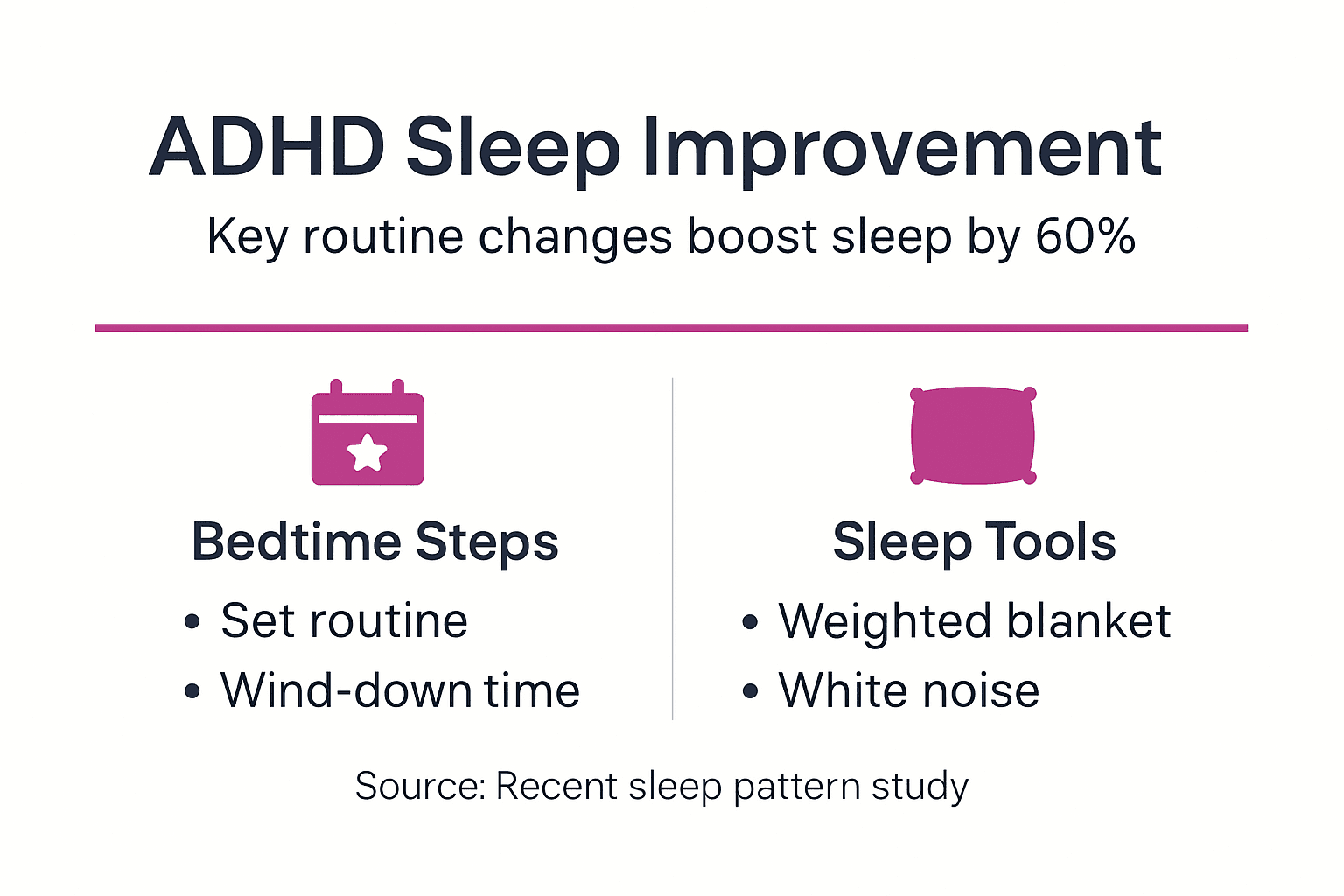
Realistic expectations prevent discouragement and support long term adherence. Sleep improvements typically emerge gradually rather than overnight. 60% of ADHD adults report measurable improvements within 2 to 4 weeks of implementing structured bedtime routines and relaxation practices.
Sleep onset time often improves by 30 or more minutes within the first month. You’ll likely notice falling asleep requires less effort and mental struggle. Self reported sleep quality improves alongside fewer nighttime awakenings.
Daytime ADHD symptom severity frequently decreases as sleep quality improves. Better sleep supports executive function, emotional regulation, and attention. You may notice improved focus, reduced irritability, and better impulse control.
Emotional regulation and reduced bedtime anxiety are common positive outcomes. As your nervous system learns to associate bedtime with calm rather than stress, anticipatory anxiety diminishes. The routine itself becomes comforting.
Tracking progress encourages long term routine adherence. Keep a simple sleep log noting bedtime, wake time, sleep quality, and daytime functioning. Visible progress motivates continued effort.
| Outcome Measure | Baseline | 2 to 4 Weeks | 6 to 8 Weeks |
|---|---|---|---|
| Sleep Onset Time | 45 to 60 min | 20 to 35 min | 15 to 25 min |
| Night Wakings | 3 to 5 times | 1 to 3 times | 0 to 2 times |
| Sleep Quality Rating | 3 to 4 out of 10 | 5 to 6 out of 10 | 7 to 8 out of 10 |
| Daytime ADHD Symptoms | Moderate to severe | Mild to moderate | Mild |
| Bedtime Anxiety | High | Moderate | Low to mild |
Discover MOMORO & Friends: Comfort Plush for ADHD Support
If you’re looking for tangible tools to support your bedtime routine, MOMORO & Friends plush collectibles offer more than comfort. These tactile companions serve as calming anchors in your nightly wind down, providing sensory input that reduces anxiety and reinforces emotional regulation. Many young professionals with ADHD find that a soft, consistent tactile presence helps signal the transition to rest.

Explore practical guides on using plush for ADHD calming routines to integrate these tools seamlessly into your strategy. Learn how to calm ADHD emotional dysregulation with plush companions designed specifically for neurodivergent needs. These resources complement the techniques you’ve learned here, offering additional pathways to better sleep and daily focus.
Frequently Asked Questions
Why do I procrastinate going to bed with ADHD?
Bedtime procrastination often results from ADHD related difficulty shifting from stimulating day activities to rest. Your brain resists ending rewarding or engaging tasks, leading to delayed sleep onset. This revenge bedtime procrastination reflects a need to reclaim personal time after demanding days.
How long before sleep should I stop screen use?
Aim to stop all screen use at least 60 minutes before your target bedtime. This allows melatonin levels to rise naturally without blue light suppression. If you must use devices closer to bedtime, enable night mode and keep brightness at minimum levels.
Can weighted blankets really help ADHD sleep issues?
Yes, weighted blankets provide deep pressure stimulation that increases serotonin and melatonin while lowering cortisol and other stress hormones. This physiological shift aids sleep initiation and maintenance. Most adults benefit from blankets weighing about 10% of their body weight.
What if my ADHD medication is affecting my sleep?
Discuss medication timing, dosage, and formulation with your prescribing doctor if you suspect sleep interference. Some people benefit from taking stimulants earlier in the day or switching to different formulations. Never adjust medication without medical guidance.
How soon will I notice improvements after changing my routine?
Most adults with ADHD see noticeable improvements in sleep quality within 2 to 4 weeks of following new routines consistently. Initial changes may feel subtle, such as falling asleep slightly faster or waking less during the night. Cumulative benefits increase over time with continued adherence.
Recommended
- Benefits of Sensory Toys: 72% Adults with ADHD Improve Focus – MOMORO & Friends
- 改善adhd日常方法:实现专注与平静的一体化流程 – MOMORO & Friends
- 6 Advantages of Tech-Enabled Toys for ADHD Support – MOMORO & Friends
- Step by Step Emotion Regulation ADHD Guide for Parents – MOMORO & Friends
- How to Reduce Fatigue at Work: Boost Your Energy Levels